






 Casa
Casa Prodotti
29+ years in pharmaceutical machinery, covering capsule filling, tablet pressing, blister packaging, tablet and capsule counting, cartoning, GMP production, and overseas machine service.

Le linee di confezionamento in blister possono produrre confezioni difettose durante i controlli di sigillatura, le modifiche di stampa, la configurazione del lotto, i problemi di alimentazione del prodotto o i cambi di formato. Se il prodotto all'interno è ancora accettabile secondo le norme di qualità del produttore, gettare via l'intera confezione comporta uno spreco di materiale, manodopera e compresse, capsule, softgel, caramelle o prodotti simili a dose solida.
Una macchina per la rimozione dei blister separa i prodotti utilizzabili dalle confezioni blister scartate. Consente di recuperare i prodotti da blister in alluminio-plastica o alluminio-alluminio, mantenendo al contempo gli imballaggi di scarto separati dal materiale recuperato.
Questa guida si concentra sulla rimozione del blister per prodotti farmaceutici, nutraceutici, dolciumi e simili prodotti in blister a dose solida. Lo scopo non è quello di sostituire le procedure di controllo qualità o di rilascio. L'obiettivo è spiegare dove si colloca la rimozione del blister, come funziona e cosa gli acquirenti dovrebbero verificare prima di scegliere l'attrezzatura per il recupero dei blister.
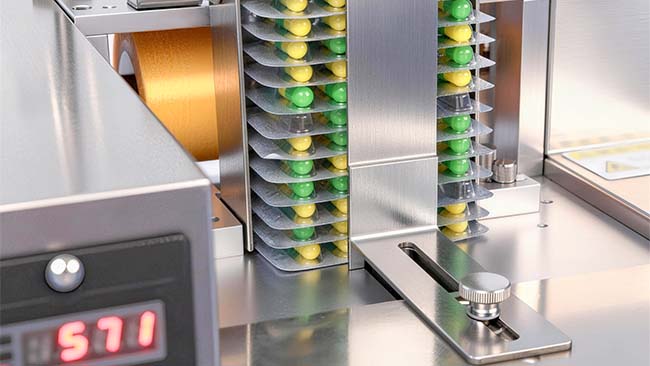
Una macchina per la rimozione dei blister è un'apparecchiatura ausiliaria utilizzata per estrarre i prodotti dalle confezioni blister. Viene comunemente utilizzata quando è necessario recuperare compresse, capsule, capsule molli, caramelle o prodotti simili in dose solida da blister scartati.
È diverso da una macchina per il confezionamento in blister. Una macchina per il confezionamento in blister forma le cavità, riempie i prodotti, sigilla il materiale di chiusura e taglia i blister finiti. Una macchina per la rimozione dei blister funziona nella direzione opposta. Separa il prodotto dal blister finito o scartato in modo che il prodotto e l'imballaggio di scarto possano essere gestiti separatamente.
I casi d'uso tipici includono:
● Confezioni blister scartate a causa di problemi di sigillatura, stampa o alimentazione;
● Pacchetti di installazione o di cambio formato che non possono essere venduti;
● Campionamento per il controllo qualità o attività di recupero controllato;
● Recupero di prodotti di alto valore laddove la rimozione manuale è lenta o rischiosa.
Per gli acquirenti, il valore principale non risiede solo nella velocità. Un buon processo di rimozione del blister dovrebbe ridurre al minimo i danni al prodotto, separare gli scarti in modo pulito, adattarsi al formato del blister e garantire una manipolazione sicura prima della fase successiva approvata.
I blister difettosi sono un problema comune nella produzione. Un blister può risultare difettoso a causa di una sigillatura inadeguata, una stampa errata del lotto, prodotti mancanti, cavità danneggiate o scarti di allestimento durante il cambio di formato. In alcuni casi, il prodotto all'interno rimane utilizzabile, ma la confezione stessa non può essere estratta.
Il recupero manuale può funzionare per poche schede, ma diventa lento e incoerente all'aumentare del volume. Gli operatori potrebbero estrarre i prodotti a mano, il che può danneggiare le compresse, deformare le capsule o creare rischi per la manipolazione. Il lavoro manuale rende inoltre più difficile separare i prodotti e gli imballaggi di scarto in modo pulito.
Una macchina per la rimozione dei blister consente di recuperare i prodotti dalle confezioni blister scartate, mantenendo separati gli imballaggi da smaltire. Ciò risulta particolarmente utile quando i prodotti sono di alto valore, fragili o prodotti in lotti ripetuti.
I principali motivi per cui le aziende ricorrono alla rimozione del blister includono la riduzione degli sprechi, la diminuzione dei tempi di manodopera, la protezione dei prodotti da danni inutili, la separazione dei prodotti recuperati dai materiali di scarto e il supporto a una gestione controllata prima dell'ispezione o del successivo processo approvato.
Il prodotto recuperato deve comunque rispettare gli standard di qualità dell'azienda. La rimozione del blister non trasforma gli imballaggi scartati in prodotti approvati. Offre ai produttori un metodo più sicuro ed efficiente per gestire il prodotto utilizzabile all'interno di blister non vendibili.
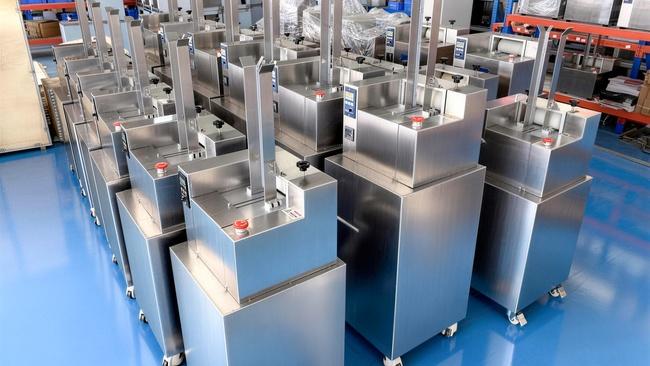
Una tipica macchina per la rimozione dei blister separa il prodotto dal blister guidando la confezione attraverso un processo controllato di rimozione o pressatura.
Innanzitutto, le confezioni blister scartate vengono inserite nella macchina. Il blister deve essere inserito nella direzione corretta, in modo che le cavità si allineino con i dispositivi di separazione. Per molti sistemi, è importante che il prodotto sia disposto regolarmente sia in orizzontale che in verticale.
Successivamente, si posiziona la confezione blister. Elementi di guida, piastre di posizionamento o binari aiutano a mantenere la confezione stabile. Un allineamento errato può ridurre la qualità del recupero e aumentare la rottura del prodotto.
Successivamente, la macchina separa il prodotto dalla cavità. A seconda del modello, rulli, elementi di estrazione o meccanismi di pressatura spingono la compressa, la capsula, la capsula molle o la caramella fuori dalla cavità del blister. L'obiettivo è recuperare il prodotto senza schiacciarlo o mescolarlo con materiale di scarto.
Infine, i prodotti recuperati e i blister usati vengono scaricati separatamente. Questa separazione facilita la fase di gestione successiva, sia che i prodotti vengano sottoposti a ispezione, rilavorazione autorizzata o un altro processo controllato.
Molte macchine utilizzano rulli in silicone per uso alimentare, componenti di rimozione in acciaio inossidabile o sistemi di posizionamento regolabili per ridurre i danni al prodotto e adattarsi a diversi formati di blister. Questi dettagli sono più importanti di quanto possa sembrare, soprattutto quando il prodotto è fragile o il materiale del blister è difficile da rimuovere.
La rimozione manuale dei blister può essere accettabile quando le operazioni di recupero sono rare. Per lotti ripetuti, volumi di scarto maggiori o prodotti di maggior valore, le attrezzature automatiche garantiscono una maggiore uniformità.
|
Metodo |
Migliore vestibilità |
Principale limitazione |
|
Rimozione manuale della bolla |
Quantità molto piccole, recupero occasionale |
Variazioni lente, laboriose e con maggiore necessità di manipolazione |
|
Rimozione semiautomatica delle vesciche |
Necessità di recupero di livello medio |
Richiede comunque un frequente intervento dell'operatore |
|
Macchina automatica per la rimozione della bolla |
Recupero ripetuto da confezioni blister rifiutate |
Richiede la corretta impostazione del formato blister |
Il lavoro manuale dipende fortemente dall'abilità e dall'attenzione dell'operatore. Può inoltre aumentare il rischio di danni al prodotto, soprattutto nel caso di compresse, capsule molli o involucri di capsule fragili.
Un sistema semiautomatico può ridurre in parte lo sforzo manuale, ma gli operatori devono comunque alimentare o movimentare i materiali frequentemente. Può essere utile per esigenze di recupero moderate quando non è richiesta l'automazione completa.
Una macchina automatica per la rimozione dei blister è più adatta per operazioni di recupero ripetute. Consente di mantenere più stabili i processi di alimentazione, allineamento, rimozione e separazione. Per i produttori che gestiscono frequentemente blister scartati, questo si traduce in un risparmio di manodopera e in una maggiore uniformità nel recupero del prodotto.
Il processo di rimozione del blister viene spesso discusso in relazione a compresse e capsule, ma la gamma di prodotti può essere più ampia. La questione fondamentale è se la forma, la resistenza e la disposizione del blister del prodotto siano compatibili con il passaggio attraverso la macchina per la rimozione del blister senza subire danni.
I prodotti comunemente recuperabili includono:
● tablet;
● capsule;
● capsule molli;
● caramelle;
● prodotti simili in dose solida confezionati in blister standard.
Le compresse rigide sono generalmente più facili da recuperare se possiedono una sufficiente resistenza meccanica. Le capsule richiedono una manipolazione più attenta perché l'involucro può deformarsi o rompersi se la pressione non viene controllata. Le capsule molli sono più sensibili alla compressione, quindi il materiale del rullo, la spaziatura e l'allineamento sono fattori importanti.
Anche caramelle e integratori alimentari possono essere recuperati se la confezione blister e la forma del prodotto sono idonee. Per questi prodotti, durante i test è necessario verificare l'appiccicosità, la consistenza della superficie e la morbidezza del prodotto.
Il recupero del prodotto non dovrebbe essere valutato solo in base alla semplice estrazione dell'articolo dal blister. Gli acquirenti dovrebbero anche verificare che il prodotto rimanga integro, che il materiale recuperato si separi nettamente e che il processo sia conforme alle norme interne di qualità.
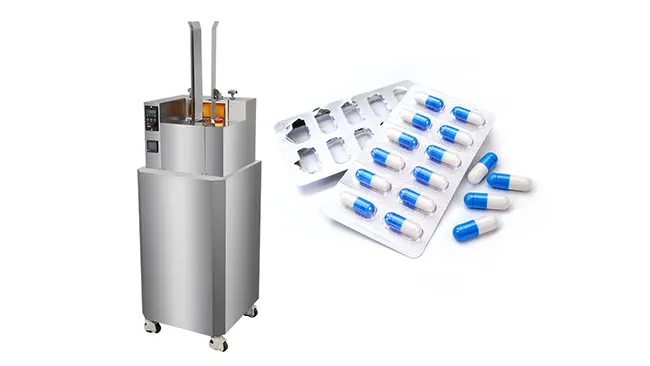
La compatibilità con i blister è uno dei controlli più importanti da effettuare prima di scegliere una macchina per la rimozione dei blister. Una macchina che funziona bene con un formato di blister potrebbe non avere le stesse prestazioni con un altro.
I punti principali da verificare sono il materiale del blister, le dimensioni della carta, la disposizione degli scomparti e la disposizione dei prodotti.
Le confezioni blister in alluminio e plastica sono comuni per molte compresse, capsule e prodotti simili. Le confezioni blister in alluminio e alluminio vengono spesso utilizzate quando è necessaria una maggiore protezione di barriera. Queste due strutture si comportano in modo diverso durante il recupero del prodotto, quindi la macchina dovrebbe essere testata con le confezioni blister effettivamente utilizzate dall'acquirente.
Anche le dimensioni del blister sono importanti. Se il blister è troppo largo, troppo stretto, troppo corto o troppo lungo per il campo di lavoro della macchina, l'alimentazione e l'allineamento potrebbero diventare instabili. Anche la disposizione delle cavità è altrettanto importante. Una disposizione regolare dei prodotti, sia in orizzontale che in verticale, facilita il processo di rimozione del blister.
È opportuno verificare anche i tempi di cambio formato. Se uno stabilimento gestisce molti formati di blister, frequenti cambi di stampo o lunghi tempi di regolazione possono ridurre il valore del processo di recupero. Gli acquirenti dovrebbero chiedere se la macchina necessita di sostituzione dello stampo, come viene gestita la regolazione del formato e quanto tempo richiede un normale cambio formato.
La scelta di una macchina per la rimozione dei blister deve basarsi sulle caratteristiche specifiche del blister, sul prodotto, sul volume degli scarti e sui requisiti di qualità. La velocità da sola non è sufficiente.
Controllo 1: Formato e dimensioni del blister.
Verificare il materiale del blister, la lunghezza e la larghezza della carta, la disposizione degli scomparti e la disposizione dei prodotti. La macchina deve essere testata con blister effettivamente scartati, non solo con immagini o disegni di esempio.
Controllo 2: Protezione del prodotto.
I prodotti recuperati non devono essere schiacciati, rotti, spezzati o mischiati con imballaggi di scarto. Il materiale dei rulli, il controllo della pressione e l'allineamento delle schede influiscono sulla qualità del recupero.
Controllo 3: Uscita e cambio formato.
Se il volume degli scarti è basso, una macchina compatta può essere sufficiente. Se invece gli scarti si verificano frequentemente in produzione, la produttività e la rapidità di regolazione diventano più importanti. Per gli impianti con più referenze, un cambio formato rapido può far risparmiare tempo.
Controllo 4: Materiali di contatto e pulizia.
Le parti che entrano in contatto con il prodotto devono essere idonee alla manipolazione di prodotti farmaceutici, nutraceutici o alimentari. Parti a contatto in acciaio inossidabile, rulli per uso alimentare, aree di pulizia accessibili e una chiara separazione dei rifiuti contribuiscono a ridurre il rischio di contaminazione.
Punto 5: Certificazione e supporto del fornitore.
Prima dell'acquisto, è necessario verificare la documentazione, la certificazione, l'ispezione della spedizione, i pezzi di ricambio e l'assistenza post-vendita. Rich Packing supporta questo processo con una gestione della produzione basata sugli standard ISO, il controllo dell'officina secondo il metodo 6S e test pre-spedizione che includono funzionamento continuo e verifica a carico elevato.
Una macchina per la rimozione dei blister non sostituisce una macchina per il confezionamento in blister. È un supporto alla linea di confezionamento in blister quando è necessario un recupero controllato delle confezioni non vendibili.
Ad esempio, una macchina per il confezionamento in blister può funzionare normalmente ma generare comunque blister difettosi durante l'avvio, la regolazione del film, la regolazione dell'alimentazione, le modifiche di codifica o i controlli di sigillatura. Quando i prodotti all'interno di questi blister risultano conformi alle procedure interne, la rimozione del blister offre al team di produzione un metodo di recupero controllato.
Questo è utile per i produttori di prodotti farmaceutici, nutraceutici, dolciumi e simili, in quanto sia i materiali di confezionamento in blister che i prodotti finiti possono essere costosi. Il recupero dei prodotti utilizzabili può ridurre gli sprechi, ma il processo deve comunque rispettare le norme di qualità.
Una macchina per la rimozione del blister può essere utile anche per il lavoro di laboratorio, il recupero di piccoli lotti e ambienti di produzione su larga scala. In tutti i casi, dovrebbe operare in sinergia con il controllo qualità, la gestione dei pacchi difettosi e le procedure di recupero approvate, anziché sostituire il controllo del processo a monte.
Dal punto di vista della pianificazione delle attrezzature, la rimozione del blister è da considerarsi una stazione ausiliaria lungo la linea di confezionamento in blister. Contribuisce a gestire in modo più efficiente il materiale di scarto, mentre le cause principali del rifiuto devono comunque essere affrontate attraverso le fasi di formatura, riempimento, sigillatura, codifica, ispezione e controllo della configurazione della linea.
La rimozione del blister è un'opzione da considerare quando i blister difettosi si presentano con una frequenza tale da rendere la gestione manuale lenta, rischiosa o dispendiosa.
È particolarmente utile quando il prodotto ha un valore relativamente elevato, si producono blister di scarto durante la fase di configurazione o cambio formato, la rimozione manuale causa troppe rotture, gli operatori impiegano troppo tempo nelle operazioni di recupero o l'impianto necessita di una separazione più efficace tra i prodotti e i blister di scarto.
Per recuperi molto occasionali, il lavoro manuale può ancora essere accettabile. Per recuperi regolari, la rimozione automatica delle vesciche può ridurre i tempi di lavoro e migliorare la uniformità.
Una decisione pratica dovrebbe valutare il valore del prodotto, il volume degli scarti, il tempo di manodopera, il rischio di rottura del prodotto e il costo delle attrezzature di recupero. Se la macchina è in grado di recuperare i prodotti utilizzabili in modo sicuro e di ridurre gli sprechi ripetuti, può diventare un valido strumento di supporto per la produzione di imballaggi blister.
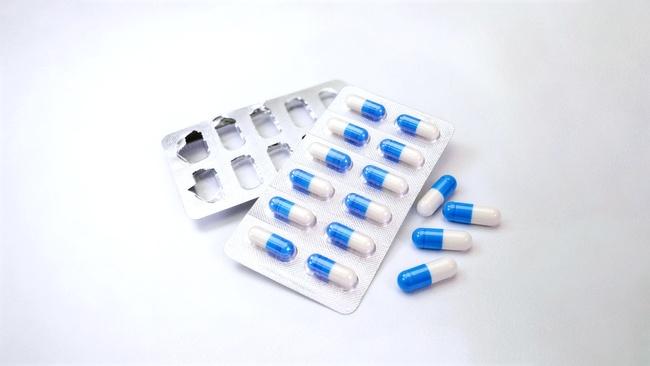
Una macchina per la rimozione dei blister aiuta a recuperare i prodotti utilizzabili dalle confezioni blister scartate. Il suo valore non risiede solo nella velocità. Può ridurre gli sprechi, diminuire la movimentazione manuale, proteggere compresse, capsule, softgel, caramelle e prodotti simili a dose solida, e separare i prodotti recuperati dai blister di scarto in modo più pulito.
La macchina più adatta deve essere compatibile con il materiale del blister, le dimensioni della carta, la disposizione degli scomparti, la resistenza del prodotto, il volume di recupero, le esigenze di pulizia e le procedure di qualità. Per gli stabilimenti che utilizzano blister in alluminio-plastica o alluminio-alluminio, i test di compatibilità sono particolarmente importanti.
Per gli acquirenti, la scelta migliore è la macchina che può gestire confezioni blister effettivamente scartate e che supporta un processo controllato di recupero del prodotto.
Inviaci le dimensioni del blister, il tipo di prodotto, il materiale del blister e il volume di recupero desiderato per ricevere un consiglio su una macchina per la rimozione del blister adatta.
Le foto o i campioni presenti sulla confezione blister possono inoltre aiutare a confermare la compatibilità prima della scelta.
Una macchina per la rimozione dei blister viene utilizzata per estrarre i prodotti dalle confezioni blister scartate o non vendibili. Separa prodotti come compresse, capsule, capsule molli o caramelle dai blister, in modo che i prodotti recuperati e gli imballaggi di scarto possano essere gestiti separatamente.
Sì, a seconda della forma del prodotto, della sua morbidezza, della disposizione del blister e della configurazione della macchina. Le capsule molli e le caramelle richiedono test accurati perché potrebbero essere più sensibili alla pressione rispetto alle compresse standard.
Una macchina per il confezionamento in blister forma, riempie, sigilla e taglia le confezioni blister. Una macchina per la rimozione del blister interviene dopo che la confezione è stata prodotta o scartata, estraendo i prodotti dal blister per un recupero controllato.
Alcune macchine sono in grado di gestire entrambi i tipi di blister, ma la compatibilità deve essere verificata con le specifiche effettive. La struttura del materiale, le dimensioni del blister, la disposizione degli scomparti e la configurazione dei prodotti influiscono sulla qualità del recupero.
La rimozione automatica dei blister è generalmente preferibile per operazioni di recupero ripetute, volumi di scarti elevati o prodotti di maggior valore. Il recupero manuale può comunque essere accettabile per lotti molto piccoli o occasionali.
Gli acquirenti devono verificare il materiale del blister, le dimensioni della carta, la disposizione degli scomparti, il rischio di rottura del prodotto, la produzione, il metodo di cambio formato, i materiali di contatto, l'accesso per la pulizia, le certificazioni e l'assistenza del fornitore.
● FDA, 21 CFR 211.130 — Operazioni di confezionamento ed etichettatura: https://www.ecfr.gov/current/title-21/chapter-I/subchapter-C/part-211/subpart-G/section-211.130

29+ years in pharmaceutical machinery, covering capsule filling, tablet pressing, blister packaging, tablet and capsule counting, cartoning, GMP production, and overseas machine service.

E-mail : manager@richpacking.cn
Building D, No. 226, Beishan Qiaotou Street, Haizhu District, Guangzhou City, Guangdong Province, China


 Rete IPv6 supportata