






 Casa
Casa Prodotti

29+ years in pharmaceutical machinery, covering capsule filling, tablet pressing, blister packaging, tablet and capsule counting, cartoning, GMP production, and overseas machine service.

Oggi le decisioni relative al packaging sono soggette a una pressione maggiore rispetto al passato. Un imballaggio deve proteggere il prodotto, prolungarne la durata di conservazione, contenere i costi, adattarsi al mercato e rispondere alle crescenti aspettative in termini di riciclabilità. Per questo motivo, il confronto tra imballaggi monomateriale e multistrato è diventato un argomento di discussione frequente tra i team di sviluppo, approvvigionamento e produzione del packaging.
Una struttura monomateriale è spesso più facile da spiegare e da collegare agli obiettivi di semplificazione dei materiali. Una struttura multistrato viene spesso mantenuta perché può combinare prestazioni di barriera, sigillabilità, rigidità, aspetto e stabilità del processo in un unico imballaggio. Nessuna delle due soluzioni è automaticamente migliore. La scelta migliore dipende dal prodotto, dall'obiettivo di protezione, dal mercato e dalle condizioni di produzione.
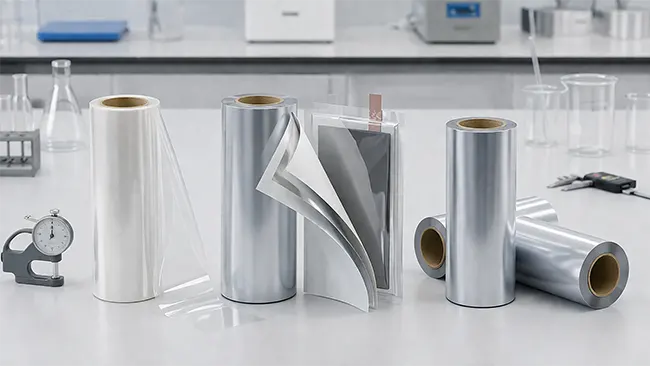
Gli imballaggi monomateriale stanno ricevendo maggiore attenzione perché i team di progettazione del packaging sono spinti a ridurre la complessità strutturale. Un imballaggio realizzato principalmente con un'unica famiglia di materiali è più facile da descrivere nelle discussioni sulla riciclabilità rispetto a una struttura composta da diversi strati funzionali. Ciò offre ai team di marketing un messaggio di sostenibilità più chiaro e facilita l'allineamento dello sviluppo del packaging con gli obiettivi di progettazione per il riciclo.
Un altro motivo è che sempre più progetti di packaging iniziano con un'esigenza di semplificazione. Invece di dare per scontato che una struttura multistrato sia la soluzione predefinita, i team si chiedono sempre più spesso se una costruzione meno complessa possa comunque svolgere la stessa funzione. Questo cambiamento non garantisce una transizione definitiva, ma modifica il punto di partenza. Il packaging monomateriale entra in discussione prima e in un maggior numero di categorie rispetto a qualche anno fa.
Una struttura più semplice offre anche un vantaggio interno. Gli stakeholder non tecnici possono comprenderla più facilmente. Quando un'azienda vuole dimostrare i progressi compiuti nella riduzione della complessità dei materiali, un imballaggio monomateriale è più facile da presentare rispetto a un imballaggio composto da diversi strati con funzioni separate. Questo valore comunicativo non risolve la questione tecnica, ma aiuta a spiegare perché l'interesse si sia esteso dai team dedicati alla sostenibilità alle discussioni su approvvigionamento, sviluppo e gestione.
Gli imballaggi multistrato sono ancora diffusi perché risolvono contemporaneamente diversi problemi di confezionamento. Uno strato può garantire protezione di barriera, un altro sigillabilità, un altro ancora rigidità, resistenza alla perforazione, qualità di stampa o aspetto estetico. Spesso, ottenere prestazioni combinate di questo tipo con una struttura più semplice è più difficile quando l'applicazione è più esigente.
Questo aspetto è fondamentale soprattutto quando il controllo di umidità, ossigeno, luce o aroma è di vitale importanza. In queste situazioni, la struttura non viene scelta solo in base alla preferenza del materiale, ma perché il prodotto deve rimanere stabile durante lo stoccaggio, il trasporto, la manipolazione al dettaglio e il normale utilizzo. Anche una confezione meno complessa potrebbe non essere sufficiente a mantenere lo stesso livello di protezione per un periodo di tempo adeguato.
Gli obiettivi di durata di conservazione mantengono in uso molti formati multistrato per lo stesso motivo. Un team potrebbe voler semplificare la struttura, ma se la nuova confezione riduce la durata di conservazione o restringe il margine di prestazione, il cambiamento potrebbe non essere pratico. Gli imballaggi multistrato spesso rimangono in uso non perché la sostenibilità venga ignorata, ma perché il requisito di protezione continua a essere il fattore determinante nella decisione.
Per imballaggio monomateriale si intende generalmente un imballaggio realizzato principalmente con un'unica famiglia di materiali. Può comunque includere rivestimenti, inchiostri, adesivi o componenti minori compatibili, ma la struttura principale rimane all'interno di un unico flusso di riciclo. L'obiettivo è ridurre la complessità e rendere l'imballaggio più facilmente integrabile nelle discussioni sulla progettazione per il riciclo.
Gli imballaggi multistrato combinano due o più materiali, o diversi strati funzionali, in modo che la struttura possa offrire una gamma più ampia di proprietà in un unico imballaggio. Queste proprietà possono includere prestazioni di barriera, resistenza della saldatura, qualità della superficie di stampa, rigidità, visibilità o stabilità del processo.
Il punto chiave è che le due soluzioni non sono ottimizzate per lo stesso scopo. Gli imballaggi monomateriale sono spesso più efficaci in termini di semplicità e riciclabilità. Gli imballaggi multistrato sono invece più adatti quando è necessario che diverse funzioni operino in sinergia.
|
Aspetto |
Imballaggio monomateriale |
Imballaggio multistrato |
|
Struttura principale |
Una famiglia di materiali principali |
Diversi materiali o strati funzionali |
|
Attrazione principale |
Discussione su minore complessità e riciclo più semplice |
Combinazione di prestazioni più ampia |
|
flessibilità della barriera |
Solitamente più limitato |
Solitamente più facile da regolare per esigenze più elevate |
|
Sfida comune |
È più difficile soddisfare esigenze di prestazioni elevate |
Più difficile da inserire nei sistemi di riciclaggio. |
|
Migliore vestibilità |
Applicazioni più semplici o con requisiti moderati |
Applicazioni che richiedono una protezione più elevata o tolleranze più ristrette. |
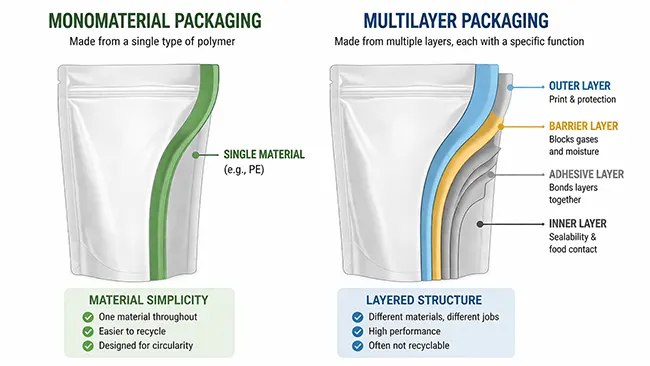
Per molti prodotti, la protezione rimane il primo fattore determinante. Se una confezione necessita di un'elevata resistenza all'umidità, all'ossigeno, alla luce o alla perdita di aroma, le prestazioni di barriera possono prevalere su qualsiasi altro vantaggio. Una struttura più semplice può apparire attraente dal punto di vista della riciclabilità, ma deve comunque proteggere il prodotto al livello richiesto.
È qui che il confronto tra imballaggi monomateriale e imballaggi multistrato va oltre la semplice questione della sostenibilità. Se il prodotto è particolarmente delicato o se la durata di conservazione è limitata, c'è meno margine per semplificare la struttura senza correre rischi. La struttura deve essere funzionale al prodotto prima di poter contribuire alla sostenibilità.
Il solo prezzo del materiale non indica il costo totale. Una struttura che appare più economica sulla carta potrebbe rivelarsi più costosa se aumenta gli sprechi, rallenta la linea di produzione, introduce maggiori variazioni nella sigillatura o incrementa i tassi di scarto. Un confronto più accurato prende in considerazione l'intero sistema di confezionamento.
Questa visione più ampia include il costo dei materiali, il costo di conversione, l'efficienza della linea, l'impatto del cambio di produzione, gli scarti, la perdita di qualità e qualsiasi test aggiuntivo necessario prima del lancio. In pratica, la differenza tra due strutture spesso diventa più chiara solo dopo aver esaminato congiuntamente tutti questi punti. Questo è uno dei motivi per cui una struttura meno complessa non è automaticamente anche la più economica.
Gli imballaggi monomateriale godono spesso di una posizione più forte nelle discussioni sulla riciclabilità perché una struttura più semplice ne facilita la selezione e la spiegazione. Ciò non significa che ogni imballaggio monomateriale venga riciclato su larga scala in ogni mercato. I sistemi di raccolta locali, la capacità di selezione, i formati accettati e la domanda del mercato finale influenzano ciò che accade dopo l'uso.
Anche l'utilizzo finale influenza la risposta. In alcune categorie, i messaggi sulla riciclabilità hanno maggiore peso. In altre, protezione, praticità, aspetto sullo scaffale, chiarezza, rigidità o sensazione al tatto possono essere più importanti. Una struttura adatta a una tipologia di prodotto potrebbe non esserlo per un'altra. Non esiste una risposta univoca valida per ogni categoria, canale o posizione di mercato.
La parte più difficile del passaggio dagli imballaggi multistrato a quelli monomateriale non è solitamente il concetto in sé, bensì il divario che si crea quando l'imballaggio deve funzionare in condizioni reali. I livelli di barriera possono diminuire. La tenuta può ridursi. La movimentazione del materiale può diventare meno agevole. Possono aumentare gli sprechi o le variazioni di qualità.
Alcuni di questi problemi possono essere ridotti attraverso una migliore selezione delle resine, rivestimenti, modifiche di progettazione o un controllo più rigoroso del processo. Lo sviluppo procede rapidamente proprio per questo motivo. Ciononostante, uno sviluppo più rapido non significa che ogni applicazione possa procedere allo stesso ritmo.
Un'affermazione più generale non è di grande aiuto in questo caso. Dire che gli imballaggi monomateriale rappresentano sempre il futuro è troppo semplicistico. Dire che gli imballaggi multistrato sono sempre necessari è altrettanto semplicistico. La domanda più utile è: in quali casi la semplificazione funziona ancora, dopo che le proprietà di barriera, tenuta e uniformità sono state testate in condizioni operative reali?
La struttura del materiale non rimane su una scheda tecnica. Si manifesta sulla linea. Nei progetti pratici, questo spesso significa verificare se la nuova struttura può funzionare stabilmente su macchine di confezionamento esistenti come macchina per il confezionamento in blister , macchina per il confezionamento di stick pack a più corsie , macchina per il confezionamento di buste preformate o altre macchine prima che venga approvato un cambio completo del materiale.
Una modifica strutturale può influenzare il comportamento di formatura, la gestione del nastro, la finestra di saldatura, la sensibilità al tempo di permanenza, la rigidità, l'arricciamento e la consistenza finale della confezione. Anche se la nuova struttura appare promettente in fase di sviluppo, deve comunque dimostrare di poter funzionare in modo affidabile nella normale produzione.
Il cambio di materiale potrebbe inoltre richiedere nuove prove, nuovi studi di tenuta, nuove finestre di parametri o un monitoraggio più attento durante la fase di avviamento.
Ciò non significa che il passaggio sia una cattiva idea. Significa che anche la struttura dell'imballaggio è una decisione di produzione. Per le aziende che producono, riempiono, sigillano o trasformano imballaggi su larga scala, questo aspetto della produzione non può essere considerato un ripensamento. Confezione ricca Questo tipo di discussione di solito inizia con il prodotto, l'obiettivo di barriera, il formato della confezione e se la nuova struttura può funzionare in modo coerente sulla linea prima che si proceda con ulteriori modifiche.
Gli imballaggi monomateriale sono spesso la soluzione più sensata quando le esigenze di protezione sono moderate, il mercato attribuisce maggiore importanza alla riciclabilità e la struttura può essere semplificata senza compromettere le prestazioni del prodotto. Risultano inoltre più interessanti quando la linea di confezionamento è in grado di gestire il nuovo materiale senza significative perdite di efficienza o qualità.
Gli imballaggi multistrato rimangono la scelta più sensata quando i requisiti di barriera sono più elevati, i tempi di conservazione sono più ristretti o la confezione necessita di una finestra di lavorazione più ampia. Si confermano inoltre una soluzione valida quando il prodotto è più delicato e il rischio di perdita di protezione è più difficile da accettare.
Ecco perché il packaging monomateriale rispetto al packaging multistrato non dovrebbe essere visto come una lotta tra vecchio e nuovo. In molte categorie, entrambe le strutture hanno ancora un ruolo ben definito. La scelta migliore dipende dal giusto equilibrio tra protezione, costi, pressioni di mercato e adattabilità alla produzione.
|
Domanda |
Perché è importante |
|
Quanto è sensibile il prodotto? |
La sensibilità al prodotto limita il grado di semplificazione possibile della struttura. |
|
Quanto è alto il requisito di barriera? |
Le esigenze di barriera più elevate spesso mantengono valide le opzioni multistrato. |
|
La riciclabilità è un obiettivo aziendale prioritario? |
Ciò modifica la misura in cui la semplificazione della struttura del valore apporta benefici. |
|
Il comportamento relativo alla sigillatura cambierà? |
Le prestazioni delle guarnizioni influiscono sulla qualità, sugli sprechi e sulla stabilità della linea. |
|
La linea di produzione attuale è in grado di gestire il nuovo materiale? |
Un buon progetto deve comunque funzionare bene in fase di produzione. |
|
Cosa succede al costo totale dopo il passaggio? |
Il solo prezzo del materiale non è sufficiente a rispondere alla domanda sui costi. |
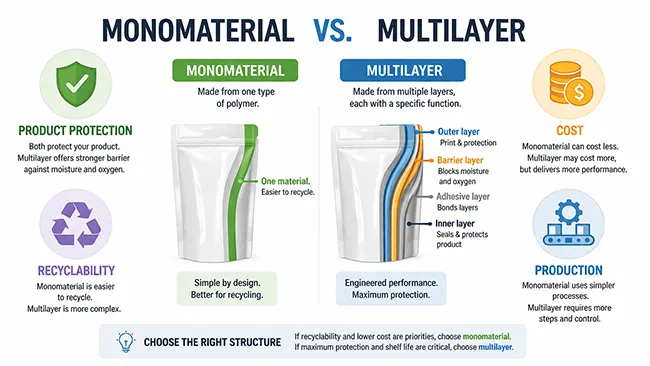
Gli imballaggi monomateriale stanno ricevendo sempre più attenzione perché i team addetti al packaging sono sottoposti a crescenti pressioni per semplificare le strutture e migliorare la riciclabilità. Gli imballaggi multistrato rimangono comunque importanti perché molti prodotti continuano a necessitare di una maggiore protezione e di una più ampia gamma di prestazioni. Il modo più utile per confrontarli non è chiedersi quale dei due sembri più avanzato, ma quale si adatti meglio allo specifico compito di confezionamento.
In definitiva, la scelta tra imballaggio monomateriale e imballaggio multistrato è una questione di equilibrio. Protezione del prodotto, costo totale, aspettative del mercato e prestazioni di produzione sono tutti fattori importanti. La struttura migliore è quella che soddisfa tali esigenze con la minore complessità superflua.
Gli imballaggi monomateriale sono imballaggi realizzati principalmente con un'unica famiglia di materiali, pertanto la loro struttura è meno complessa e più facile da gestire all'interno dei sistemi di riciclaggio.
Gli imballaggi multistrato combinano materiali o strati funzionali diversi per offrire molteplici proprietà di imballaggio in un'unica struttura, come prestazioni di barriera, sigillabilità, rigidità o qualità di stampa.
Solitamente è più facile inserirlo nelle discussioni incentrate sul riciclo, ma il riciclo effettivo dipende comunque dalla raccolta locale, dalla selezione, dai formati accettati e dalla domanda del mercato finale.
Perché spesso offre prestazioni di barriera superiori e una finestra di elaborazione più ampia, soprattutto in applicazioni in cui la protezione del prodotto e la durata di conservazione sono più difficili da compromettere.
Gli imballaggi multistrato offrono generalmente un vantaggio quando i requisiti di barriera sono più elevati, poiché i diversi strati possono essere combinati per soddisfare esigenze di protezione differenti.
Dovrebbero testare la sensibilità del prodotto, l'obiettivo della barriera, il comportamento della tenuta, la stabilità della linea, il tasso di scarto e se la nuova struttura può funzionare in modo costante su scala produttiva.

29+ years in pharmaceutical machinery, covering capsule filling, tablet pressing, blister packaging, tablet and capsule counting, cartoning, GMP production, and overseas machine service.

E-mail : manager@richpacking.cn
Building D, No. 226, Beishan Qiaotou Street, Haizhu District, Guangzhou City, Guangdong Province, China


 Rete IPv6 supportata