






 Casa
Casa Prodotti
29+ years in pharmaceutical machinery, covering capsule filling, tablet pressing, blister packaging, tablet and capsule counting, cartoning, GMP production, and overseas machine service.

Come la macchina blister a rulli DPH-270Max aiuta i produttori a ridurre i costi annuali di confezionamento
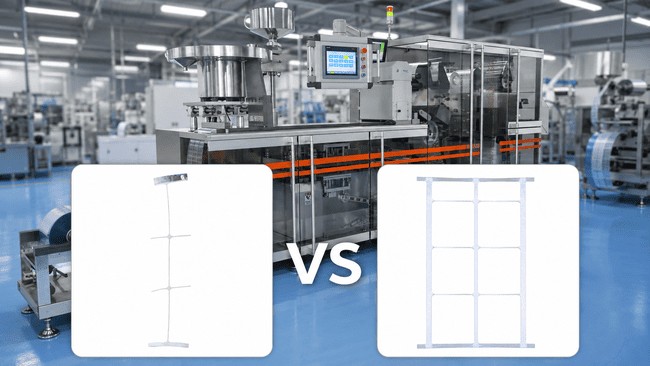
Quando scelgono una macchina confezionatrice blister, la maggior parte dei produttori si concentra sul prezzo della macchina, sulla velocità di produzione e sul livello di automazione.
Tuttavia, c'è un altro fattore che influisce direttamente sul costo di produzione a lungo termine: il consumo di materiale di confezionamento.
Per le aziende farmaceutiche, i produttori di nutraceutici e i produttori conto terzi, il confezionamento blister è un processo continuo. Ogni giorno vengono prodotti migliaia o persino milioni di blister, il che significa che anche una piccola differenza nell'utilizzo dei materiali può creare nel tempo un significativo divario di costi.
Il film in PVC e il foglio di alluminio possono sembrare una piccola parte di ogni confezione. Ma moltiplicata per milioni di confezioni ogni anno, la differenza di costo accumulata può diventare un fattore importante che influisce sulla redditività della produzione.
Ecco perché scegliere una macchina per il confezionamento blisternon riguarda solo l'acquisto di un'apparecchiatura. Significa anche scegliere una soluzione produttiva più efficiente.
In questo articolo esploreremo come la tecnologia blister a rulli migliori l'utilizzo dei materiali e riduca i costi di produzione a lungo termine, con un confronto pratico tra la macchina blister a rulli RQ-DPH-270Max e la macchina blister a piastra piana DPP-270Max.
Molti produttori possono pensare che il consumo di materiale di confezionamento dipenda principalmente dalle dimensioni del prodotto e dal design delle cavità blister.
Tuttavia, anche la struttura della macchina svolge un ruolo importante.
Durante la produzione del confezionamento blister, il film in PVC e il foglio di alluminio devono attraversare diversi processi, tra cui formatura, sigillatura e taglio. La disposizione di ogni stazione influisce direttamente sull'efficienza con cui viene utilizzato il materiale di confezionamento.
Una piccola differenza nell'utilizzo dei materiali per ogni scheda blister può sembrare insignificante. Ma nella produzione ad alto volume vengono prodotti milioni di blister ogni anno. Anche un piccolo miglioramento può portare a risparmi sostanziali nei costi di confezionamento.
Diversi tipi di macchine per il confezionamento blister adottano principi di funzionamento differenti.
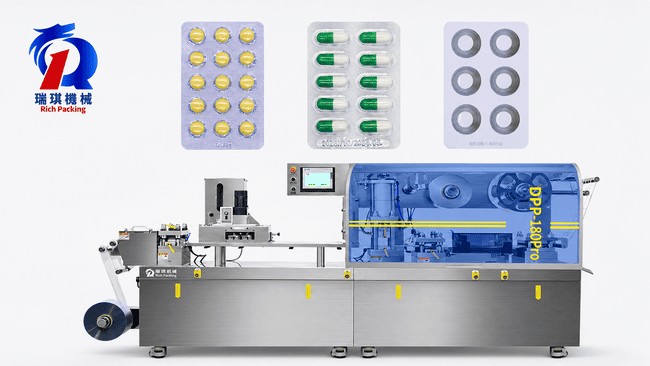
Le tradizionali macchine blister a piastra piana utilizzano un processo di lavoro intermittente. Le stazioni di formatura, sigillatura e taglio si muovono passo dopo passo e il materiale viene lavorato lotto per lotto.
Con una struttura a piastra piana, la macchina offre un'eccellente adattabilità per diverse applicazioni di prodotto, tra cui compresse, capsule, capsule molli, fiale, flaconi di liquidi orali, siringhe e vari prodotti dalla forma irregolare.
Oltre al tradizionale confezionamento farmaceutico, le macchine blister a piastra piana possono essere personalizzate anche per prodotti con forme speciali o requisiti di riempimento liquido, come bustine di ketchup, miele, salse, campioni cosmetici, capsule di profumo e altri prodotti liquidi monodose.
La macchina può supportare diverse strutture di confezionamento, tra cui blister PVC/Alu, confezioni Alu/Alu con formatura a freddo e imballaggi carta-plastica, rendendola adatta ai settori farmaceutico, nutraceutico, alimentare e della cura della persona.
Per i prodotti che richiedono cavità più grandi, la macchina può gestire anche confezioni blister di grandi dimensioni per dispositivi medici, kit di test e articoli dalla forma speciale.
Nel frattempo, il design modulare degli stampi consente una sostituzione comoda degli stampi e cambi formato più rapidi, offrendo ai produttori maggiore flessibilità nella gestione di più prodotti.
Tuttavia, quando si affronta una produzione continua su larga scala, la disposizione fissa di formatura e taglio può limitare l'efficienza di utilizzo dei materiali.
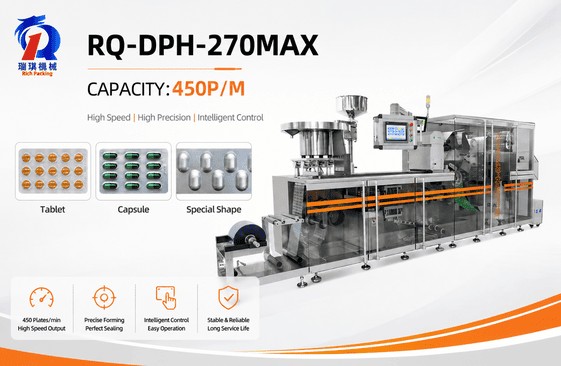
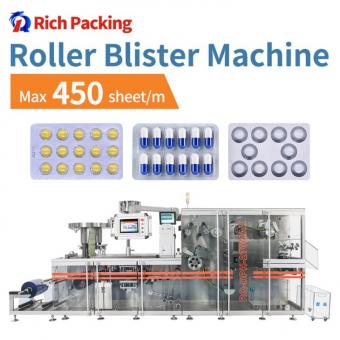
Una macchina blister a rulli adotta un principio di funzionamento rotativo continuo. I processi di formatura, sigillatura e taglio sono sincronizzati con il movimento del materiale.
Grazie al design ottimizzato dei rulli e alla tecnologia di controllo servoassistita, la macchina può ottenere un'alimentazione del materiale più fluida, una disposizione più efficiente e un migliore utilizzo del film in PVC e del foglio di alluminio.
Ecco perché, per i produttori con elevati volumi di produzione annuali, la differenza tra una macchina confezionatrice blister a piastra piana e un sistema di confezionamento blister a rulli può diventare un fattore significativo nei costi operativi a lungo termine.
La domanda non è solo:
"Quanti blister può produrre la macchina?"
La domanda più importante è:
"Quanto costo può risparmiare la macchina durante anni di produzione?"
Il costo di produzione non è determinato solo dal prezzo di acquisto di una macchina per il confezionamento blister.
Per i produttori con elevate esigenze di produzione annuale, il costo reale dipende anche da:
Per comprendere come la progettazione della macchina influisca sul valore produttivo a lungo termine, abbiamo analizzato la macchina blister a rulli RQ-DPH-270Max e la macchina blister a piastra piana DPP-270Max in uno scenario di produzione ad alto volume.
Il calcolo seguente si basa su una specifica condizione produttiva. I risultati effettivi possono variare in base alle specifiche del prodotto, al programma di produzione e ai costi dei materiali.
|
Voce |
Macchina blister a rulli RQ-DPH-270Max |
Macchina blister a piastra piana DPP-270Max |
|
Principio di funzionamento |
Sistema continuo a rulli |
Sistema intermittente a piastra piana |
|
Produzione massima |
Fino a 450 piastre/min |
Fino a 186 piastre/min |
|
Produzione adatta |
Produzione continua ad alto volume |
Produzione flessibile con diversi tipi di prodotto |
Per i produttori che realizzano milioni di schede blister ogni anno, una maggiore efficienza produttiva significa:
✓ Maggiore produzione con meno macchine
✓ Minore necessità di spazio in fabbrica
✓ Riduzione della domanda di manodopera
✓ Minore consumo energetico
Quando la domanda produttiva continua ad aumentare, la differenza nell'efficienza delle macchine diventa un fattore importante che influenza il costo totale di produzione.
Oltre alla capacità produttiva, l'utilizzo dei materiali è un altro fattore importante che influisce sulla redditività a lungo termine.
Per questo calcolo, utilizziamo un esempio di produzione ad alto volume:
|
Voce |
Dati |
|
Domanda di produzione annuale |
75,6 milioni di schede blister/anno |
|
Struttura dell'imballaggio |
Pellicola in PVC + foglio di alluminio PTP |
|
Metodo di calcolo |
Confronto del consumo di materiali di confezionamento con la stessa domanda annuale |
Ipotesi sui prezzi dei materiali:
|
Materiale di confezionamento |
Specifiche |
Prezzo |
|
Pellicola in PVC |
Spessore: 0,0025 mm / Densità: 1,4 |
1,74 USD/kg |
|
Foglio di alluminio PTP |
Spessore: 0,0002 mm / Densità: 2,8 |
7,36 USD/kg |
I costi effettivi dei materiali possono variare in base al fornitore, alle specifiche dei materiali e alle condizioni di mercato.
|
|
Macchina blister a rulli RQ-DPH-270Max |
Macchina blister a piastra piana DPP-270Max |
|
Costo del materiale per scheda blister |
0,00493 USD |
0,00528 USD |
|
Domanda di produzione annuale |
75,6 milioni di schede |
75,6 milioni di schede |
|
Costo annuale dei materiali di imballaggio |
372.000 USD |
399.000 USD |
Sulla base di questo scenario produttivo:
Differenza del costo dei materiali di imballaggio:
≈ 26.500 USD/anno
La differenza di 0,00035 USD per scheda blister può sembrare molto piccola.
Tuttavia, per i produttori che realizzano decine di milioni di schede blister ogni anno, piccoli miglioramenti nell'utilizzo dei materiali possono generare risparmi annuali significativi.
I materiali di imballaggio non sono un investimento una tantum.
Sono un costo operativo continuo che influisce direttamente sulla redditività a lungo termine.
Il risparmio annuale non deriva solo dal consumo di pellicola in PVC e foglio di alluminio.
Rispetto alle tradizionali macchine blister a piastra piana, la DPH-270Max può inoltre aiutare i produttori a ridurre i costi di produzione aggiuntivi attraverso:
✓ Minore spreco di materiale durante la regolazione della macchina
✓ Riduzione degli scarti causati dall'instabilità produttiva
✓ Cambio stampo più rapido e minori tempi di fermo
✓ Minore consumo di manodopera ed energia
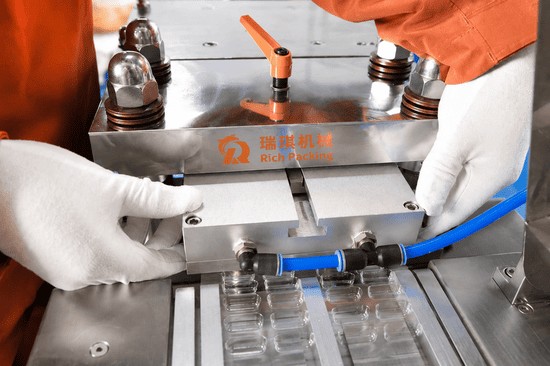
Ad esempio, durante la regolazione della macchina, una tradizionale macchina blister a piastra piana può consumare circa 50 kg di pellicola in PVC, mentre la DPH-270Max può contenere lo spreco entro circa 10 kg.
Inoltre, l'efficienza del cambio stampo è un altro fattore importante. Le tradizionali macchine a piastra piana possono richiedere circa un giorno per la regolazione dopo la sostituzione dello stampo, mentre la DPH-270Max può completare il processo in circa 20 minuti.
Per i produttori che realizzano milioni di confezioni blister ogni anno, la scelta di una macchina per il confezionamento blister non riguarda solo il prezzo di acquisto iniziale.
Riguarda la scelta di una soluzione che riduca continuamente i costi operativi durante l'intero ciclo di vita della macchina.
Il materiale di imballaggio risparmiato in un anno potrebbe essere sufficiente per pagare un'altra macchina.
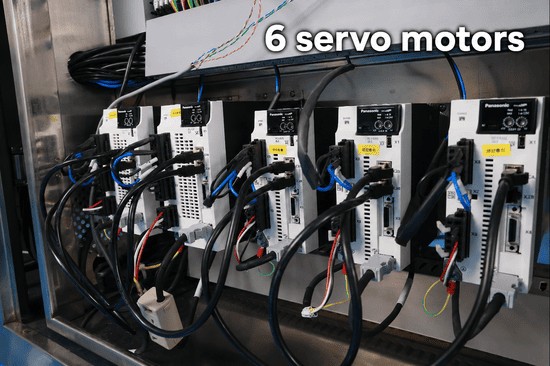
La DPH-270Max adotta un sistema di azionamento completamente servoassistito, in cui più motori servo sono coordinati tramite un controllore di movimento ad alte prestazioni.
Invece di affidarsi alle tradizionali strutture di trasmissione meccanica, ogni movimento chiave è controllato e sincronizzato con precisione, tra cui:
Questo controllo coordinato del movimento garantisce:
✓ Funzionamento stabile ad alta velocità
✓ Sincronizzazione precisa tra le stazioni
✓ Risposta più rapida durante la regolazione dei parametri
✓ Qualità di confezionamento costante
L'alta velocità non riguarda solo il movimento più rapido. Riguarda il mantenimento di precisione e stabilità durante il funzionamento a velocità più elevate.
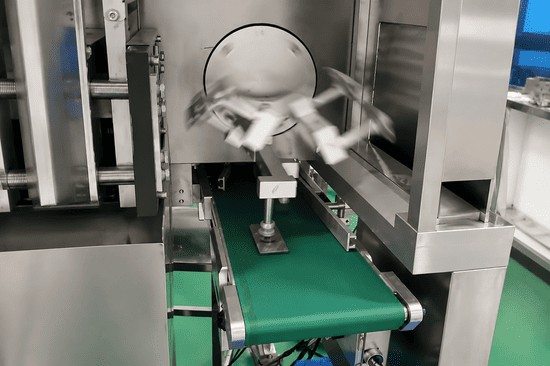
La struttura a rulli consente al processo di confezionamento in blister di funzionare in modo continuo e uniforme.
Rispetto ai tradizionali sistemi di movimento intermittente, il DPH-270Max è progettato per i produttori che richiedono:
Grazie al design meccanico ottimizzato e al controllo servo sincronizzato, la macchina può raggiungere fino a 450 piastre/min mantenendo la stabilità produttiva.
Per i produttori conto terzi e le fabbriche che realizzano prodotti diversi, il tempo di cambio formato influisce direttamente sulla capacità produttiva.
Il DPH-270Max integra un design modulare per semplificare la regolazione e ridurre i tempi di inattività.
Un cambio formato più rapido significa:
✓ Maggiore tempo di produzione disponibile
✓ Maggiore utilizzo delle apparecchiature
✓ Minori costi della manodopera
Il DPH-270Max può essere personalizzato per diversi requisiti di confezionamento, tra cui:
Combinata con apparecchiature a valle comeastucciatrice, può essere integrata in unalinea di confezionamento automatizzata completa.
Quando si investe in una macchina confezionatrice per blister, il prezzo di acquisto è solo l'inizio.
Per i produttori con piani di produzione a lungo termine, il valore reale deriva da:
La RQ-DPH-270Max non è solo una macchina blister a rulli ad alta velocità.
Grazie alla tecnologia avanzata dei rulli, al sistema di azionamento completamente servoassistito e al coordinamento intelligente del movimento, aiuta i produttori a ottimizzare l'intero processo produttivo — dall'utilizzo dei materiali all'efficienza operativa quotidiana.
Perché nella produzione su larga scala, ogni piccolo miglioramento conta.
La macchina che oggi costa meno potrebbe non creare sempre più valore domani.
Scegli una soluzione di confezionamento blister che continui a creare valore per tutta la sua durata di vita.
Non necessariamente. La scelta migliore dipende dai requisiti di produzione.
Una macchina blister a piastra piana è adatta a volumi di produzione piccoli o medi e ad applicazioni che richiedono maggiore flessibilità.
Una macchina blister a rulli è più adatta ai produttori con esigenze di produzione continua e ad alto volume, dove l'efficienza produttiva, l'utilizzo dei materiali e i costi operativi a lungo termine sono fattori critici.
La scelta giusta dipende da:
Il consumo di materiali di confezionamento è influenzato da molti fattori, tra cui:
La macchina blister a rulli RQ-DPH-270Max adotta una struttura continua a rulli con processi ottimizzati di alimentazione e formatura dei materiali, aiutando i produttori a migliorare l'utilizzo del film in PVC e del foglio di alluminio.
Quando si producono milioni di confezioni blister ogni anno, anche un piccolo miglioramento nell'utilizzo dei materiali può generare notevoli risparmi sui costi.
Il risparmio effettivo dipende dal volume di produzione, dalle dimensioni del prodotto e dalle specifiche dei materiali.
Sulla base di un confronto tra la macchina blister a rulli RQ-DPH-270Max e la macchina blister a piastra piana DPP-270Max:
La differenza di costo dei materiali può raggiungere circa 190.000 RMB all'anno.
Ulteriori risparmi possono derivare da:
La sola alta velocità non garantisce una produzione efficiente.
Una macchina blister ad alte prestazioni deve far lavorare ogni stazione insieme con precisione.
Il DPH-270Max utilizza un sistema di azionamento completamente servoassistito, in cui più servomotori sono coordinati tramite un controllore di movimento.
Ciò consente una sincronizzazione precisa tra:
Il risultato è:
La differenza principale è il principio di funzionamento.
Una macchina blister a piastra piana utilizza un processo di movimento intermittente, in cui ogni stazione lavora passo dopo passo.
Una macchina blister a rulli utilizza un processo di movimento rotativo continuo, consentendo un movimento più fluido del materiale e una produzione ad alta velocità più stabile.
Per la produzione su larga scala, la struttura a rulli può offrire vantaggi in:
Sì.
Il RQ-DPH-270Max è progettato per i settori che richiedono soluzioni di confezionamento blister affidabili e continue, tra cui:
Grazie alla capacità produttiva ad alta velocità, al funzionamento controllato tramite servoazionamenti e all'efficienza di confezionamento ottimizzata, aiuta i produttori a ottenere una produzione stabile ed economicamente vantaggiosa.
Non sempre.
La produttività reale di una macchina dipende da:
Una macchina che funziona velocemente ma richiede regolazioni frequenti potrebbe non creare un valore maggiore.
La produzione ad alta velocità diventa realmente vantaggiosa solo quando è combinata con precisione e stabilità.
Prima di scegliere una macchina blister, i produttori dovrebbero considerare:
Per una produzione continua ad alto volume, una macchina confezionatrice blister a rulli può offrire un valore migliore nel lungo periodo.
Per una produzione flessibile con lotti più piccoli, una macchina blister a piastra piana può essere un'opzione più adatta.

29+ years in pharmaceutical machinery, covering capsule filling, tablet pressing, blister packaging, tablet and capsule counting, cartoning, GMP production, and overseas machine service.

E-mail : manager@richpacking.cn
Building D, No. 226, Beishan Qiaotou Street, Haizhu District, Guangzhou City, Guangdong Province, China


 Rete IPv6 supportata