






 Casa
Casa Prodotti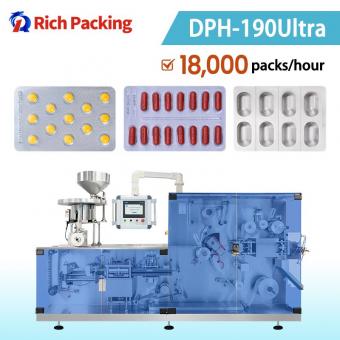
29+ years in pharmaceutical machinery, covering capsule filling, tablet pressing, blister packaging, tablet and capsule counting, cartoning, GMP production, and overseas machine service.

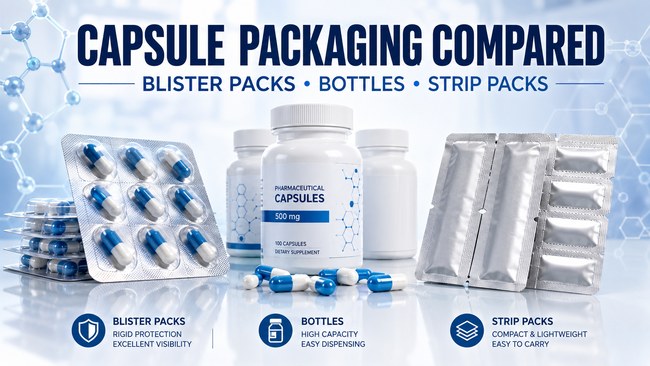
Scegliere il confezionamento in capsule è una decisione aziendale pratica, non solo una scelta di design dell'imballaggio. Blister, flaconi e strip pack proteggono tutti le capsule, ma producono risultati diversi per quanto riguarda durata di conservazione, costo dei materiali, velocità di produzione, configurazione della linea ed esperienza dell'utente. Un formato che funziona bene per un integratore, un prodotto da banco o una capsula farmaceutica può essere inefficiente o rischioso per un altro.
Questo confronto analizza ogni soluzione attraverso i fattori che contano nella produzione reale: protezione dall'umidità, flessibilità degli SKU, spazio per l'etichettatura, compatibilità con le macchine, confezionamento secondario e utilizzo sul mercato. L'obiettivo è aiutare i team a scegliere tra blister, flaconi e strip pack prima di investire in attrezzature, materiali o macchinari.
Il confezionamento delle capsule influisce sulla durata di conservazione perché ogni formato controlla umidità, ossigeno, luce ed esposizione dell'utente in modo diverso. Un blister sigilla le capsule in singoli alloggiamenti, quindi ogni dose rimane protetta fino all'apertura. Un flacone contiene molte capsule in un unico contenitore condiviso, quindi la protezione dipende maggiormente dal materiale del flacone, dal sigillo a induzione, dall'essiccante e dalla frequenza con cui l'utente apre il contenitore. Uno strip pack può offrire una forte protezione tramite laminato in alluminio, ma generalmente offre meno visibilità del prodotto e meno spazio per le informazioni stampate.
Influisce anche sui costi perché ogni soluzione utilizza materiali, attrezzature e logiche di cambio formato differenti. I blister richiedono spesso stampi di formatura, foglio di copertura, astucci e cambi formato pianificati. I flaconi richiedono tappi, sigilli, essiccanti, etichette e un conteggio accurato, ma possono supportare più quantità per confezione con lo stesso concetto di imballaggio di base. Gli strip pack possono essere compatti e protettivi, mentre la struttura del film, il controllo della saldatura e la precisione del taglio influenzano comunque il costo totale di produzione.
Anche la pianificazione della produzione cambia. Il formato corretto determina se una fabbrica necessita di una macchina per il confezionamento blister di capsule, di una linea per il conteggio e l'imbottigliamento delle capsule o di una macchina confezionatrice strip per capsule. Influisce inoltre sui punti di ispezione, sulla posizione della codifica, sull'astucciamento, sull'etichettatura e sul confezionamento secondario. Per questo motivo il confezionamento delle capsule dovrebbe essere scelto prima in base al rischio del prodotto e all'utilizzo sul mercato, quindi abbinato alla soluzione macchinaria.
Per le linee di prodotti farmaceutici, nutraceutici e salutistici, i blister offrono visibilità della dose singola, i flaconi offrono flessibilità nel numero di unità e gli strip pack offrono una protezione compatta ad alta barriera.

I blister contengono ogni capsula in un alloggiamento individuale, generalmente formato da PVC, PVC rivestito in PVDC, Aclar, PET o materiali a base di alluminio, quindi sigillato con un foglio di copertura. Per le capsule che richiedono un'organizzazione chiara delle dosi singole, il confezionamento blister è spesso un formato efficace per la vendita al dettaglio e conforme ai requisiti di controllo.
I blister funzionano bene quando ogni capsula deve rimanere separata fino all'utilizzo. Questo aiuta a ridurre il contatto ripetuto con il resto del prodotto e facilita agli utenti il monitoraggio dell'assunzione giornaliera. Le strutture blister in plastica trasparente permettono inoltre di mantenere visibili forma e colore della capsula, migliorando il riconoscimento del prodotto sullo scaffale.
Le soluzioni di materiali comuni includono confezionamento blister Alu-PVC, confezionamento blister rivestito in PVDC e confezionamento blister Alu-Alu. L'Alu-PVC viene spesso utilizzato quando il controllo dei costi e una protezione di base sono sufficienti. Le strutture rivestite in PVDC offrono una protezione dall'umidità superiore rispetto al PVC standard. Il confezionamento blister Alu-Alu viene solitamente preso in considerazione quando la capsula è più sensibile all'umidità, all'ossigeno o alla luce.
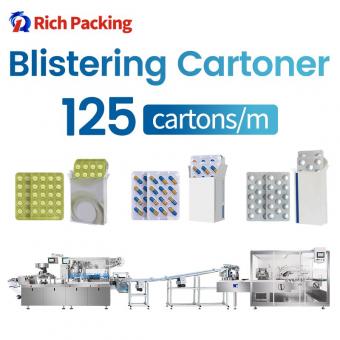
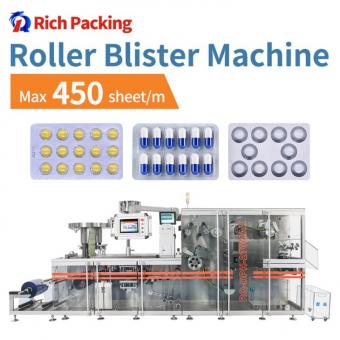
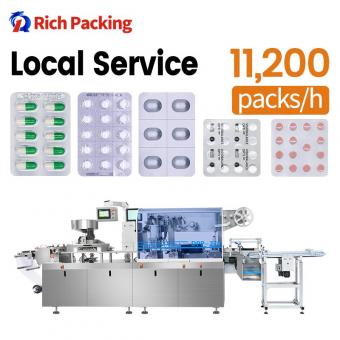
Per la pianificazione della produzione, i blister richiedono maggiore attenzione alla profondità di formatura, all'area di saldatura, alla posizione della codifica e all'astucciamento a valle. Una macchina confezionatrice blister per capsule deve essere compatibile con la dimensione della capsula, la struttura del foglio, il layout della scheda, la codifica del lotto e il piano di confezionamento secondario.
Punti chiave da verificare prima di scegliere i blister:
I blister sono una scelta valida quando il prodotto necessita di un formato elegante per la vendita al dettaglio, protezione della dose singola e controllo chiaro da parte dell'utente. Sono meno vantaggiosi quando il marchio necessita di formati di quantità molto flessibili o frequenti cambi di SKU in piccoli lotti.
Il confezionamento in flaconi inserisce più capsule in un unico contenitore, solitamente con tappo a vite, sigillo a induzione, essiccante, cotone o riempitivo e un'etichetta. È comune per integratori, nutraceutici, prodotti da banco e alcuni prodotti soggetti a prescrizione o forniti in clinica.
Il principale vantaggio dei flaconi è la flessibilità. Una soluzione in flacone può supportare prodotti da 30, 60, 90 o 120 unità senza modificare l'intero concetto di confezionamento. I flaconi offrono anche più spazio per le etichette con informazioni nutrizionali, avvertenze, istruzioni sul dosaggio, codici a barre, marchio e informazioni multilingue.

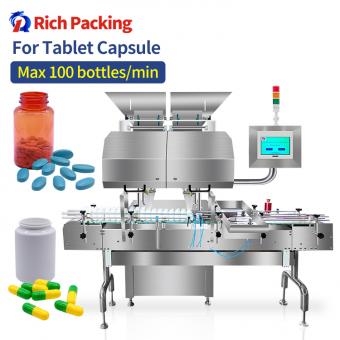
La soluzione in flacone dipende fortemente da un conteggio preciso e da un'integrazione stabile della linea. Una macchina per il conteggio di compresse e capsule deve contare correttamente capsule di diversi colori, dimensioni e finiture superficiali. Una linea completa di confezionamento in flaconi per capsule può includere conteggio, alimentazione dei flaconi, inserimento dell'essiccante, tappatura, sigillatura a induzione, etichettatura, codifica e ispezione finale.
Per i prodotti in capsule con molti SKU, la soluzione in flacone è interessante perché quantità, dimensione del flacone, tipo di tappo e design dell'etichetta possono essere modificati senza cambiare l'intero concetto di confezionamento. Le linee di conteggio e imbottigliamento capsule di Rich Packing sono progettate per ambienti di produzione orientati alle GMP, con supporto alla conformità relativa a CE, ISO e cGMP riflesso nella progettazione delle macchine, nella selezione dei materiali, nelle protezioni e nelle funzioni di ispezione. Per le fabbriche che confezionano capsule per mercati regolamentati o di esportazione, questo contesto di certificazione è importante quanto la velocità di conteggio.
Il principale punto debole dei flaconi è l'esposizione all'umidità dopo l'apertura. Una volta aperto il flacone, tutte le capsule condividono lo stesso spazio di testa e l'ambiente di manipolazione dell'utente, quindi la scelta dell'essiccante, il materiale del flacone e la qualità del sigillo diventano importanti.
Punti chiave da verificare prima di scegliere i flaconi:
I flaconi sono pratici quando flessibilità, comunicazione tramite etichetta e vendita basata sul numero di unità sono importanti. Sono meno adatti quando la formula della capsula richiede una protezione sigillata individualmente fino al momento dell'utilizzo.
Gli strip pack sigillano le capsule tra strati di materiale flessibile, spesso laminato in foglio di alluminio. A differenza dei blister trasparenti, la capsula generalmente non è visibile. Il punto di forza del confezionamento strip è la protezione barriera e la distribuzione compatta a dose singola.
Gli strip pack sono utili quando il prodotto necessita di una forte barriera contro umidità, ossigeno o luce. Sono inoltre adatti per confezioni cliniche, confezioni da viaggio, campioni e formati con poche unità. La confezione è sottile e compatta, quindi può essere raggruppata in astucci o distribuita in piccole quantità.

Il compromesso riguarda l'esperienza dell'utente e lo spazio di stampa. Poiché la capsula è generalmente nascosta all'interno dello strip, gli utenti non possono controllarla prima dell'apertura. Ogni strip dispone inoltre di spazio limitato per informazioni dettagliate, quindi il confezionamento secondario spesso contiene l'etichetta completa, le istruzioni, le avvertenze e i dettagli del lotto.
Una macchina confezionatrice a strip per capsule deve gestire l'orientamento delle capsule, la temperatura di sigillatura, la pressione e il taglio senza schiacciare o deformare il prodotto. Anche l'esperienza di apertura dovrebbe essere testata, affinché la confezione protegga bene ma si strappi comunque in modo pulito.
Le confezioni a strip sono adatte ai prodotti in cui il dosaggio sigillato e compatto è più importante della presentazione trasparente al dettaglio.
La migliore soluzione di confezionamento per capsule dipende dal comportamento del prodotto e dall'utilizzo del mercato. Il confronto seguente offre una rapida panoramica decisionale prima di una revisione più approfondita di stabilità, costi o attrezzature.
|
Fattore |
Confezioni blister |
Flaconi |
Confezioni a strip |
|
Punto di forza principale |
Visibilità della dose singola e utilizzo controllato |
Quantità flessibili e ampia area per l'etichetta |
Formato compatto monodose ad alta barriera |
|
Protezione dall'umidità |
Da buona a eccellente, a seconda del materiale |
Dipende dal flacone, dalla sigillatura, dal disidratante e dalla gestione da parte dell'utente |
Spesso elevata quando viene selezionato un laminato in alluminio |
|
Visibilità del prodotto |
Elevata con strutture blister trasparenti |
Visibile solo dopo l'apertura |
Generalmente non visibile |
|
Flessibilità degli SKU |
Moderata; le modifiche a stampi e disposizione sono importanti |
Elevata; le modifiche a quantità e etichette sono più semplici |
Moderata; le modifiche alla lunghezza della confezione e alla stampa sono importanti |
|
Soluzione macchina tipica |
Macchina confezionatrice blister Alu-PVC o macchina confezionatrice blister Alu-Alu |
Macchina contacapsule, tappatrice, sigillatrice, etichettatrice e altro |
Macchina confezionatrice a strip per capsule |
|
Ideale per |
Confezioni per la vendita al dettaglio, prodotti OTC, formati a dose giornaliera |
Integratori, prodotti nutraceutici, prodotti basati sul conteggio |
Prodotti sensibili all'umidità o per distribuzione compatta |
Le confezioni blister vendono chiarezza, i flaconi vendono flessibilità e le confezioni a strip vendono protezione. La domanda migliore è quale soluzione supporti la stabilità del prodotto, il posizionamento sul mercato, le abitudini degli utenti e il piano di produzione con il minor numero di compromessi.
Una buona decisione sul confezionamento dovrebbe partire dal rischio del prodotto, passare all'utilizzo sul mercato e poi alla pianificazione della macchina. Scegliere prima la confezione e verificare in seguito stabilità o compatibilità della linea può creare costi evitabili.
Inizia dal rischio legato all'umidità e alla stabilità. Le capsule possono essere sensibili all'umidità perché gli involucri in gelatina, gli involucri in HPMC, le polveri, i pellet e i riempimenti liquidi reagiscono in modo diverso alle condizioni di conservazione. Se i dati di stabilità mostrano un rischio legato all'umidità, confronta le strutture blister, i sistemi con disidratante per flaconi e le confezioni a strip con laminato in alluminio prima di definire il design.
Poi abbina la confezione al comportamento dell'utente. Un prodotto a dose giornaliera trae vantaggio dalla separazione e dal facile monitoraggio. Un integratore formato famiglia spesso trae vantaggio da un flacone. Un campione da viaggio o per cliniche può funzionare meglio in confezioni a strip. Il confezionamento dovrebbe ridurre le difficoltà per l'utente, non solo proteggere il prodotto in magazzino.
Il costo dovrebbe essere valutato come una soluzione completa, non solo come prezzo del materiale. Il costo include stampi, velocità della macchina, manodopera, tasso di scarto, dimensioni della scatola, volume di spedizione, controlli qualità e tempo di cambio formato. Un materiale a basso costo può diventare costoso se rallenta la linea o crea problemi di stabilità.
La pianificazione delle macchine dovrebbe avvenire in anticipo. Se il prodotto necessita di blister, confermare la profondità di formatura, l'area di sigillatura, la posizione della codifica e l'incartonamento. Se necessita di flaconi, confermare la macchina automatica per il conteggio delle capsule, la macchina per la tappatura dei flaconi e la sigillatura a induzione, l'inserimento del disidratante e la macchina etichettatrice per flaconi di capsule. Se necessita di strip, confermare le prestazioni di sigillatura e la precisione di taglio.
Utilizzare questi criteri decisionali:
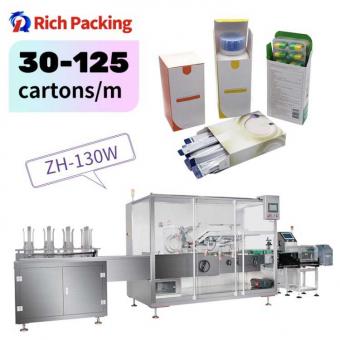
Il confezionamento secondario dovrebbe rimanere nella decisione fin dall'inizio. Astucci, etichette, foglietti illustrativi, codifica, elementi antimanomissione e cartoni di spedizione possono modificare la scelta finale. Il confezionamento secondario contiene inoltre gran parte delle informazioni sulla conformità e per l'utente, soprattutto quando la confezione primaria ha un'area di stampa limitata.
Il formato di confezionamento delle capsule più adatto dipende da ciò che il prodotto deve proteggere e da come verrà utilizzato sul mercato. I blister sono efficaci per la visibilità della dose singola e l'uso quotidiano controllato. I flaconi sono pratici per formati di quantità flessibili, maggiore spazio per l'etichetta ed espansione degli SKU. Le confezioni strip sono utili quando una protezione barriera compatta è più importante della visibilità del prodotto.
Una buona decisione finale dovrebbe collegare tre elementi: il rischio di stabilità della capsula, le effettive abitudini di utilizzo dell'utente e la soluzione produttiva alla base della confezione. Per i prodotti in capsule che necessitano di confezionamento blister, in flacone o strip, Rich Packing può aiutare a confrontare la soluzione macchina in base ai requisiti del prodotto, comprese le macchine per il confezionamento blister di capsule, le linee per il conteggio delle capsule e l'imbottigliamento e le soluzioni di confezionamento strip per diverse esigenze produttive.
Non esiste un'unica soluzione migliore per ogni prodotto in capsule. I blister sono efficaci per l'uso monodose e la visibilità, i flaconi sono efficaci per la flessibilità del numero di unità e lo spazio per l'etichettatura, mentre le confezioni strip sono efficaci per una protezione barriera compatta.
I blister possono essere migliori quando ogni capsula necessita di una protezione separata o quando gli utenti devono monitorare l'assunzione giornaliera. I flaconi possono essere migliori quando il prodotto viene venduto in quantità maggiori, presenta molte varianti di SKU o necessita di più spazio per l'etichetta.
Il confezionamento blister Alu-Alu è da considerare quando la capsula è sensibile all'umidità, all'ossigeno o alla luce, oppure quando il prodotto sarà venduto in climi difficili. I test di stabilità dovrebbero confermare la necessità prima di selezionare il materiale finale.
Sì. Molte fabbriche utilizzano più di una soluzione perché prodotti diversi richiedono logiche di confezionamento differenti. Un integratore stabile ad alto volume può utilizzare flaconi, mentre un prodotto sensibile all'umidità o monodose può utilizzare blister o confezioni strip.

29+ years in pharmaceutical machinery, covering capsule filling, tablet pressing, blister packaging, tablet and capsule counting, cartoning, GMP production, and overseas machine service.

E-mail : manager@richpacking.cn
Building D, No. 226, Beishan Qiaotou Street, Haizhu District, Guangzhou City, Guangdong Province, China


 Rete IPv6 supportata