






 Casa
Casa Prodotti
29+ years in pharmaceutical machinery, covering capsule filling, tablet pressing, blister packaging, tablet and capsule counting, cartoning, GMP production, and overseas machine service.

Poiché la domanda globale di prodotti farmaceutici continua a crescere, i produttori devono affrontare una sfida sempre maggiore: raggiungere una produzione più elevata mantenendo una qualità di confezionamento costante. Questa domanda ha accelerato lo sviluppo di macchine blisteratrici a piastra a rulli ad alta velocità per la produzione su larga scala e continua.
Tuttavia, ciò comporta nuove sfide tecniche. Quando più stazioni operano ad alta velocità, anche minime deviazioni nella sincronizzazione o nel posizionamento possono influire sulla qualità finale del confezionamento.
Quindi, come può una macchina per il confezionamento blister raggiungere sia prestazioni ad alta velocità sia un controllo ad alta precisione? La risposta risiede nell'integrazione di un sistema di controllo servo completo, che trasforma la macchina da una struttura meccanica tradizionale in una soluzione di confezionamento intelligente altamente sincronizzata.
Questo articolo esplorerà come la tecnologia servo consenta alle macchine per il confezionamento blister a piastra a rulli di raggiungere una maggiore precisione e prestazioni più affidabili nella produzione ad alta velocità.
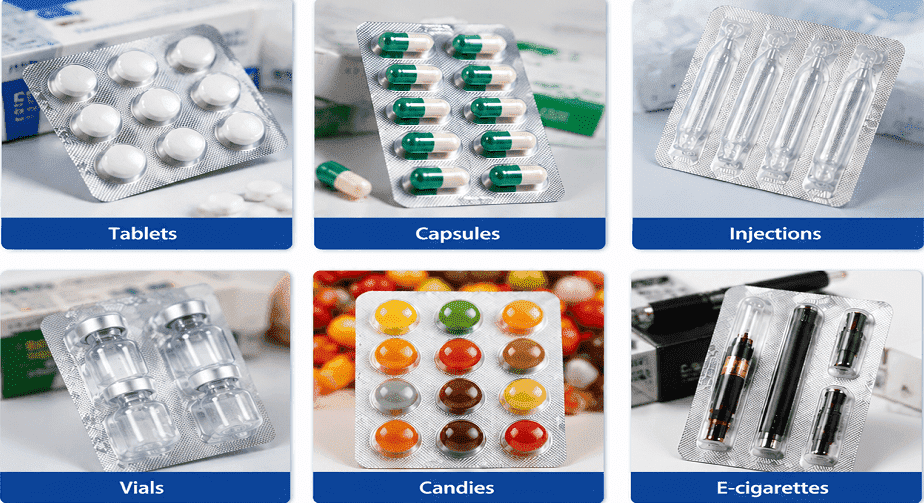
Applicazioni della macchina blisteratrice
La macchina per il confezionamento blister è un'apparecchiatura essenziale nelle industrie farmaceutiche e sanitarie, progettata per confezionare varie specifiche di compresse, capsule, iniezioni, fiale, nonché componenti hardware, caramelle, sigarette elettroniche, siringhe monouso e altri materiali.
In termini di struttura, le macchine per il confezionamento blister rientrano principalmente in due categorie: macchine per il confezionamento blister a piastra piana e macchine per il confezionamento blister a piastra a rulli. Questi due tipi di macchine rappresentano i principali percorsi tecnologici nel confezionamento blister moderno, ciascuno destinato a diverse esigenze produttive.
La macchina per il confezionamento blister a piastra piana adotta un processo di movimento intermittente. Durante la produzione, lo stampo di formatura e la piastra di saldatura si muovono verticalmente per completare la formatura del blister e la termosaldatura in un ciclo di arresto e ripartenza. Questa modalità operativa intermittente fornisce tempo sufficiente per la formatura e la saldatura, rendendola adatta ai prodotti che richiedono una maggiore pressione di formatura.
Caratteristiche principali:
♦ Elevata pressione di formatura, che produce alveoli blister ben definiti con un'eccellente uniformità della forma.
♦ Qualità affidabile della termosaldatura grazie alla pressione uniforme applicata dalla piastra di saldatura piana.
♦ Buona adattabilità a diverse profondità di blister e dimensioni dei prodotti.
Applicazioni:
La macchina blisteratrice a piastra piana è ampiamente adottata per la produzione di piccoli e medi lotti, per requisiti di formatura profonda e per prodotti delicati come siringhe e fiale che richiedono una manipolazione accurata durante il confezionamento. È particolarmente adatta ai produttori che danno priorità alla qualità del confezionamento, alla formatura di cavità profonde o alla flessibilità produttiva rispetto alla massima capacità produttiva.
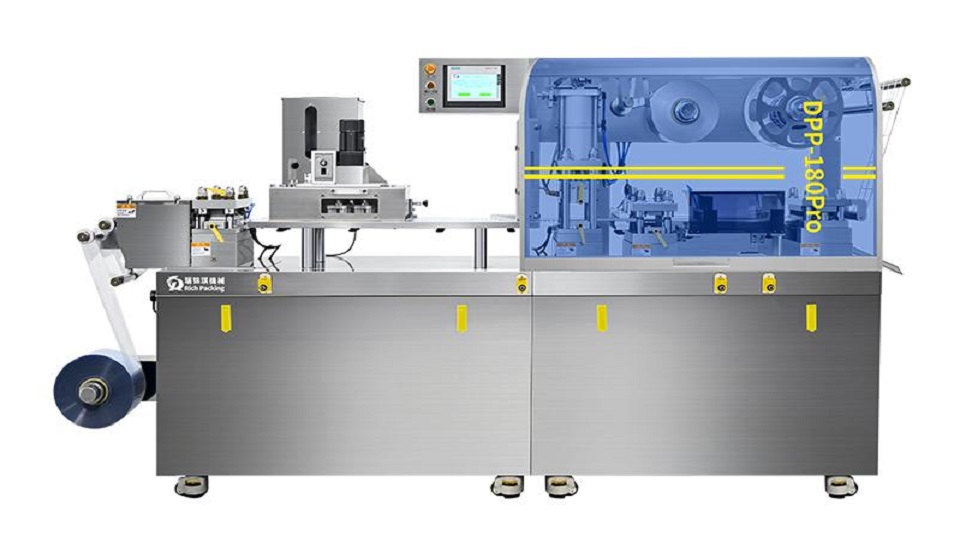
Macchina per il confezionamento blister a piastra piana DPP-180Pro
La macchina per il confezionamento blister a piastra a rulli combina una stazione di saldatura a rulli con una stazione di formatura a piastra piana. Durante la produzione, il PVC viene alimentato e modellato in modo continuo attraverso il sistema di formatura, dove la pellicola viene gradualmente trasformata in alveoli blister uniformi senza frequenti movimenti di avvio-arresto. Dopo la formatura, il materiale viene trasferito alla stazione di saldatura a rulli, dove il sistema di saldatura servo controlla calore e pressione per unire il foglio di alluminio al blister. Questo design di movimento ibrido consente un funzionamento stabile ad alta velocità.
Caratteristiche principali:
♦ Formatura continua ad alta velocità, che migliora l'efficienza produttiva.
♦ Trasporto stabile del materiale, che garantisce un movimento fluido e una riduzione delle deformazioni.
♦ Maggiore capacità produttiva, rendendola adatta alla produzione su larga scala.
Applicazioni
Le macchine per il confezionamento blister a piastra a rulli sono ampiamente utilizzate nelle industrie che richiedono elevata produttività e produzione continua, inclusi il confezionamento su larga scala di compresse e capsule farmaceutiche e le linee standardizzate di confezionamento blister con frequenti produzioni prolungate. Sono particolarmente ideali per i produttori che si concentrano sull'efficienza della produzione di massa, sulla stabilità della produzione e sulle linee automatiche di confezionamento ad alta velocità.
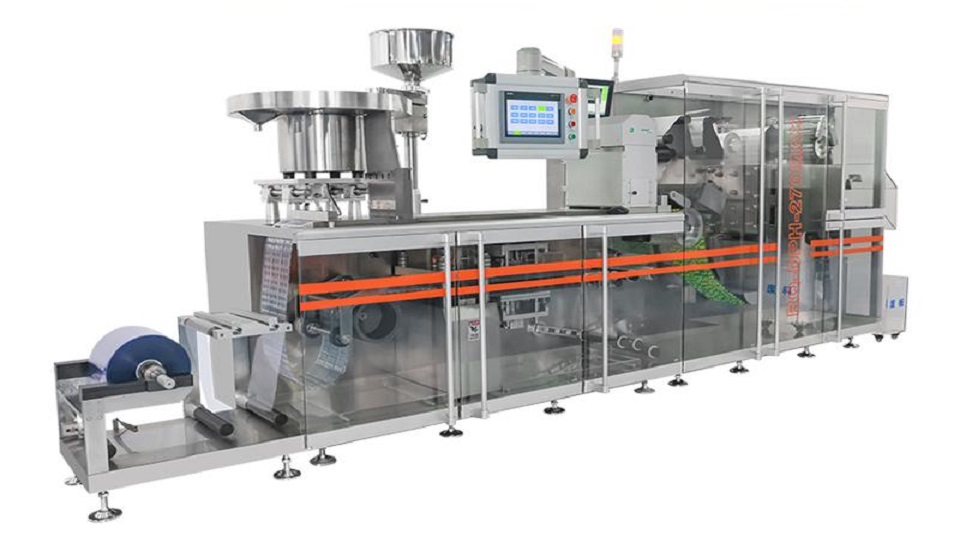
Macchina per il confezionamento blister a piastra a rulli DPH-270Max
|
|
Macchina per il confezionamento blister a piastra piana |
Macchina per il confezionamento blister a piastra a rulli |
|
Modalità di Movimento |
Movimento intermittente della piastra piana |
Movimento continuo a rulli |
|
Metodo di Formatura |
Formatura della piastra piana con stampi superiore e inferiore |
Termoformatura continua a rulli |
|
Velocità di Produzione |
Velocità media-bassa |
Alta velocità |
|
Controllo di Precisione |
Superiore |
Alta |
|
Applicazioni Tipiche |
Produzione a lotti piccoli e medi, prodotti multi-formato e requisiti complessi di imballaggio |
Produzione su larga scala e ad alta velocità |
|
Complessità del Cambio |
Relativamente più alta |
Relativamente più semplice |
Sebbene le macchine per blister a piastra piana rimangano una soluzione affidabile per molte applicazioni farmaceutiche, la crescente domanda di maggiore capacità ha spinto l'industria verso macchine per blister a piastra a rulli, che offrono una produzione significativamente più alta. Tuttavia, raggiungere velocità maggiori comporta anche una nuova sfida: mantenere una sincronizzazione precisa e una consistenza in ogni stazione operativa.
A prima vista, il vantaggio di una macchina per blister a piastra a rulli sembra evidente: una maggiore velocità di produzione si traduce in una maggiore output. Rispetto alle macchine a piastra piana, la sua struttura continua a rulli minimizza il movimento intermittente, consentendo ai produttori di confezionare significativamente più compresse o capsule nello stesso tempo di produzione.
Tuttavia, l'alta velocità va ben oltre la produttività. All'aumentare della velocità della macchina, ogni stazione ha meno tempo per completare la sua operazione, e il margine di errore diventa sempre più stretto. Ciò che sembra un semplice aumento della produzione in realtà pone requisiti molto più elevati sul controllo del movimento della macchina, sulla precisione del posizionamento e sulla coordinazione complessiva del sistema.
La macchina per confezionamento in blister a piastra a rulli è composta da stazioni che includono alimentazione, formatura, sigillatura, incisione, trazione, taglio e scarico. Sebbene ogni stazione esegua un compito diverso, devono lavorare in perfetta coordinazione tra loro. Mantenere ogni stazione in movimento insieme con velocità costante, posizionamento preciso e tempi accurati è la base per un confezionamento in blister stabile e di alta qualità.
Questa coordinazione diventa sempre più impegnativa con l'aumentare della velocità di produzione. Un lieve disallineamento in una stazione può causare una reazione a catena, con conseguente mancanza di prodotti, disallineamento dei blister, sigillatura incompleta o taglio impreciso. La macchina quindi si comporta meno come moduli meccanici individuali e più come un unico sistema di produzione sincronizzato.
Quando una macchina per confezionamento in blister a piastra a rulli opera ad alta velocità, anche deviazioni molto piccole nella posizione o nei tempi non possono più essere considerate trascurabili. Questo perché ogni stazione è strettamente collegata in un processo continuo, e qualsiasi deviazione viene trasferita alle fasi successive senza correzione. Questi errori non rimangono isolati; si accumulano attraverso ogni fase del processo.
A velocità più basse, alcune di queste deviazioni possono essere parzialmente assorbite o corrette dalla tolleranza meccanica. Tuttavia, ad alte velocità, il tempo disponibile per la correzione è drasticamente ridotto. Di conseguenza, gli errori vengono amplificati lungo la linea di produzione. Per questo motivo, nel confezionamento in blister ad alta velocità, la sfida chiave non è più la precisione individuale, ma la prevenzione e il controllo degli errori cumulativi del sistema in tutte le stazioni.
Un motore servo è un dispositivo di controllo del movimento ad alta precisione progettato per regolare posizione, velocità e coppia in tempo reale tramite un sistema di retroazione ad anello chiuso. A differenza dei motori convenzionali che operano a velocità fissa o con controllo ad anello aperto, un sistema servo riceve continuamente feedback da un encoder e ne regola l'uscita di conseguenza per ottenere un controllo preciso del movimento. Grazie a questa caratteristica di controllo ad anello chiuso, i motori servo sono ampiamente utilizzati in applicazioni che richiedono alta precisione, ripetibilità e movimento sincronizzato.
Per quanto riguarda la macchina per confezionamento in blister, in particolare quella ad alta velocità a piastra a rulli, l'applicazione del motore servo può migliorare significativamente la precisione del posizionamento e la coordinazione.
Quindi, come viene raggiunto questo risultato? Esaminiamo la Macchina per Confezionamento in Blister a Piastra a Rulli DPH-270MAX di Rich Packing e scopriamo come funziona il sistema di controllo servo nelle diverse stazioni.
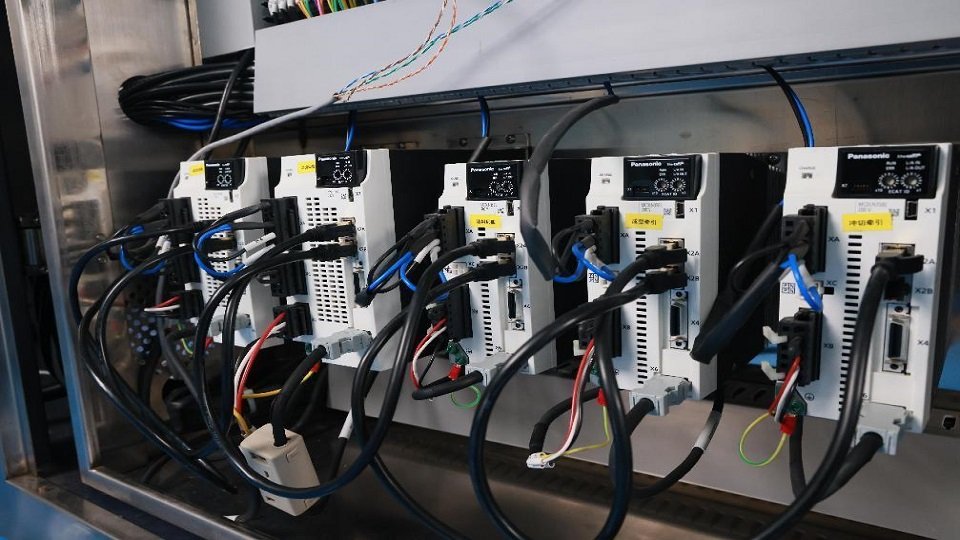
Driver Servo
Nella stazione di formatura, PVC, PET o altri materiali vengono trasformati in cavità del blister tramite riscaldamento e pressatura. Sotto temperatura e pressione controllate, il materiale viene allungato in forme precise secondo lo stampo.
Il sistema servo può controllare la lunghezza esatta di avanzamento del film prima che entri nella zona di formatura. Questo assicura che ogni ciclo di formatura inizi con il film posizionato accuratamente, evitando disallineamenti delle cavità nelle fasi successive come riempimento e sigillatura.
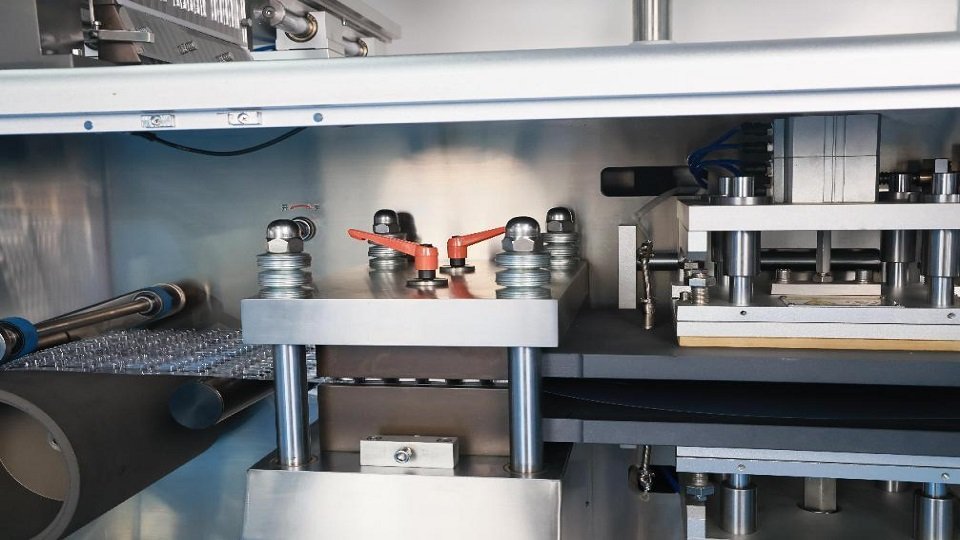
Stazione di Formatura Servo
La trazione di formatura deve garantire l'avanzamento preciso del blister verso la successiva stazione di sigillatura a caldo. La sua funzione principale è assicurare che ogni movimento corrisponda all'intero percorso, in modo che le cavità del blister siano sempre posizionate correttamente.
Per ottenere questo risultato, il sistema servo consente la regolazione dinamica della distanza e della velocità di alimentazione, permettendo alla macchina confezionatrice blister di mantenere un posizionamento stabile del film anche quando cambiano le condizioni operative, come diversi formati di prodotto o velocità di produzione.
Inoltre, il servo garantisce un'accelerazione e una decelerazione fluide durante il movimento, riducendo lo stress meccanico e prevenendo l'allungamento o la deformazione del blister.
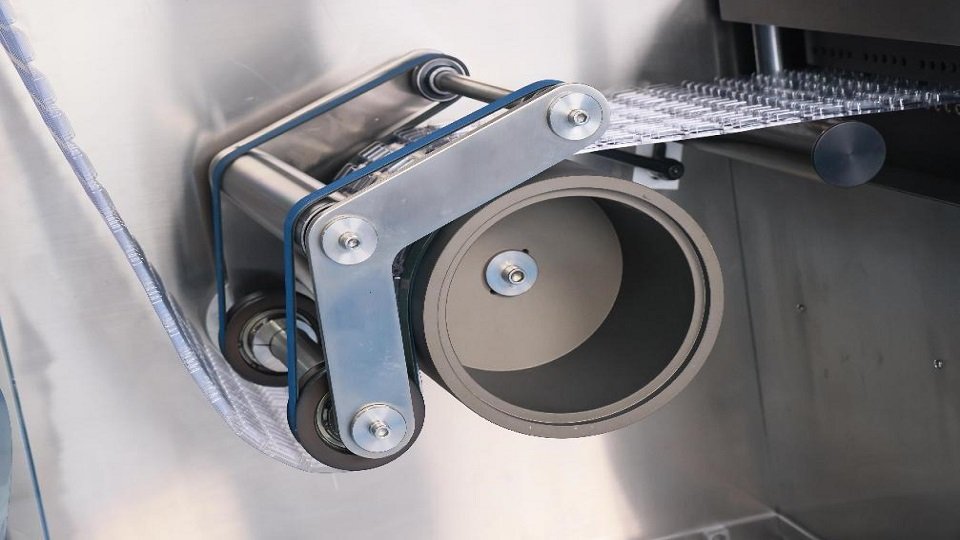
Stazione di trazione della formatura servoassistita
Nella stazione di termosaldatura, i blister formati vengono sigillati con un foglio di alluminio. Il processo di sigillatura viene generalmente eseguito utilizzando un meccanismo di termosaldatura a rullo-piastra. Sotto l'effetto combinato di temperatura, pressione e tempo di permanenza, i due strati di materiale vengono fusi insieme per creare una cavità sigillata che protegge il contenuto dall'umidità, dall'ossigeno e dalla contaminazione esterna. Questo passaggio determina l'integrità strutturale e la qualità complessiva delle confezioni blister.
Il sistema di controllo servo in questa stazione garantisce che la pressione di sigillatura, la temporizzazione e la durata del contatto siano controllate con precisione durante ogni ciclo produttivo. Ciò è particolarmente importante alle alte velocità, dove anche lievi variazioni nella temporizzazione o nella pressione possono causare una sigillatura incompleta, una debole resistenza del legame o rischi di perdita.
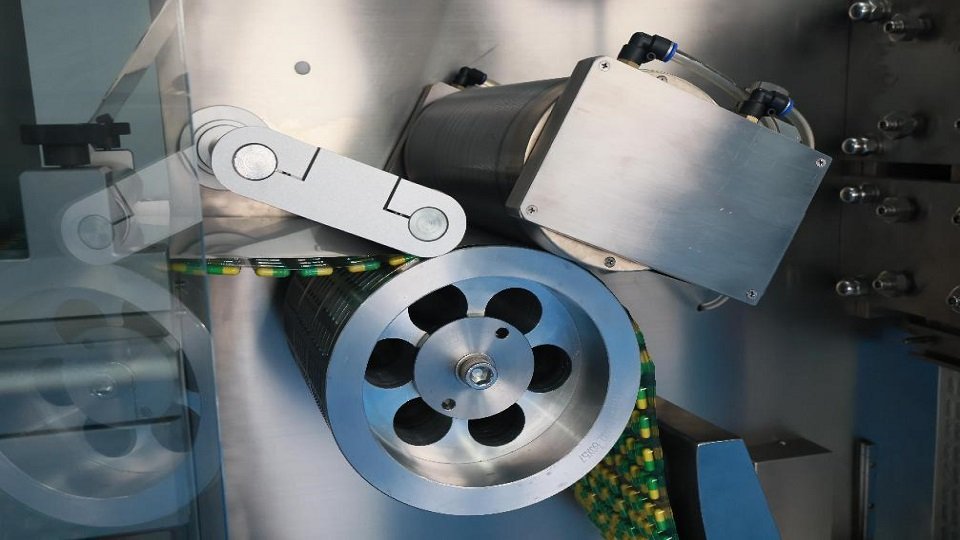
Stazione di termosaldatura servoassistita
Analogamente alla stazione di trazione della formatura, la stazione di trazione del taglio deve garantire il movimento coordinato delle confezioni blister tra la stazione di termosaldatura e la stazione di taglio. Il funzionamento ad alta velocità e in grandi quantità potrebbe causare disallineamenti in questo processo e persino compromettere la precisione del taglio.
In questo senso, la trazione del taglio servoassistita può trasferire le confezioni blister alla stazione di taglio con un posizionamento preciso e un controllo stabile della velocità in conformità con il funzionamento delle altre stazioni, garantendo che ogni segmento blister raggiunga la corretta posizione di taglio, riducendo le variazioni di tensione e minimizzando lo stress meccanico sul film di confezionamento.
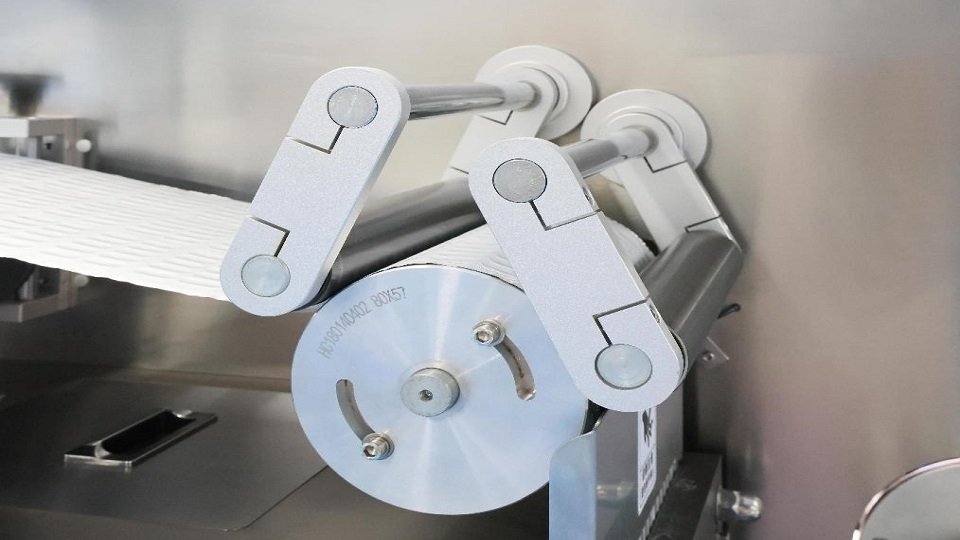
Stazione di trazione del taglio servoassistita
La stazione di taglio è il processo finale di sagomatura in una macchina confezionatrice blister a rullo-piastra. La sua funzione principale è separare le confezioni blister sigillate in continuo in singole schede blister secondo il formato e le dimensioni del prodotto preimpostati.
Durante il funzionamento, il taglio ad alta velocità garantisce che ogni confezione blister venga tagliata con precisione senza danneggiare le compresse o le capsule contenute. Allo stesso tempo, definisce le dimensioni finali e la qualità dei bordi del prodotto finito.
Con il sistema servo, la lama di taglio può intervenire nella posizione esatta corrispondente al parametro preimpostato. Inoltre, garantisce che il movimento di punzonatura venga eseguito con elevata ripetibilità e adattabilità, coordinato con il processo di sigillatura a monte ad alta velocità operativa.
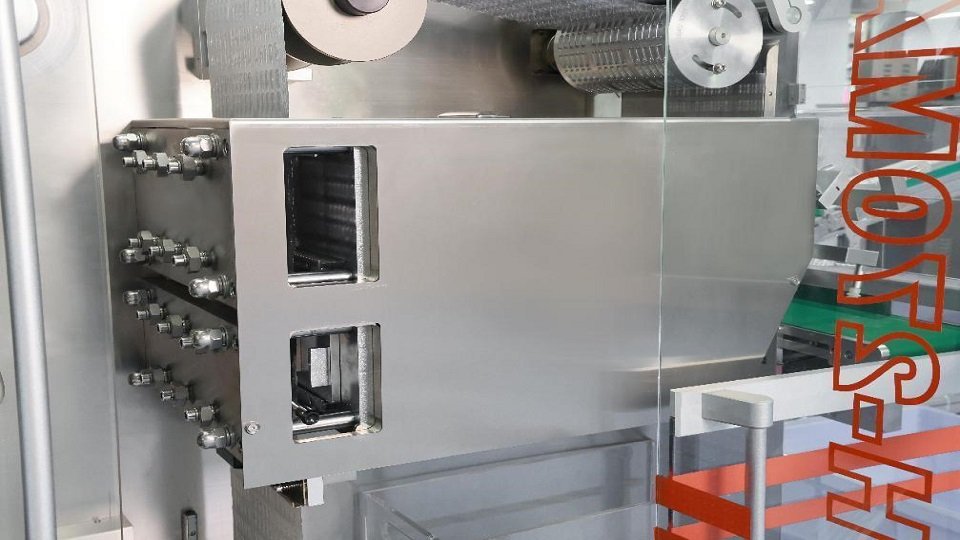
Stazione di taglio servoassistita
Il DPH270Max di Rich Packing è dotato di un manipolatore controllato da servo. Esso controlla lo scarico e lo scarto delle confezioni blister. Per i prodotti normali, il manipolatore li inserisce nelle linee di confezionamento a valle, come la macchina astucciatrice. Tuttavia, se è presente un prodotto difettoso, questo viene scartato per evitare di influire sull'efficienza e sulla qualità delle linee di confezionamento a valle.
Per garantire la precisione di questo processo ad alta velocità, viene utilizzato un sistema di controllo servo. Esso controlla il movimento meccanico dei bracci robotici per guidare i prodotti nei corretti canali a valle, allineati con i dati in tempo reale provenienti dalle altre stazioni. In questo modo è possibile ottenere uno scarto accurato e una linea di confezionamento blister stabile.
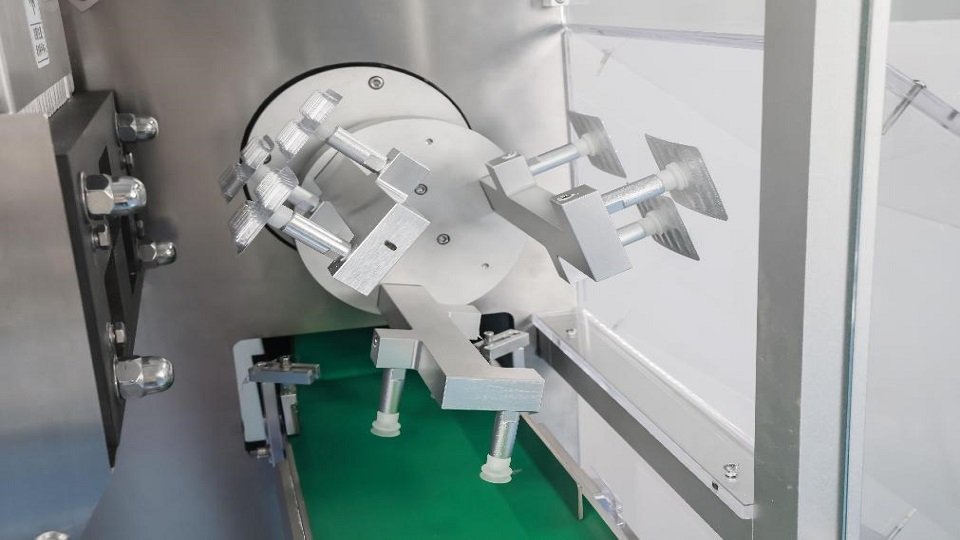
Stazione del manipolatore servoassistito
In sintesi, attraverso l'integrazione approfondita di un sistema completo di controllo servo in sei stazioni principali, la macchina confezionatrice blister a rullo-piastra DPH-270Max progettata da Rich Packing risolve con successo la contraddizione tra alta velocità e alta precisione. Ciò non solo trasforma l'apparecchiatura da un semplice assemblaggio meccanico in una linea di confezionamento intelligente altamente sincronizzata e integrata, ma consente anche una grande capacità produttiva, creando al contempo una soluzione di confezionamento robusta, precisa e di alta qualità.
DPH-270Max di Rich Packing
5. Domande frequenti
D1: Quali sono i due principali tipi di macchine confezionatrici blister?
I due tipi principali sono le macchine confezionatrici blister a piastra piana e le macchine confezionatrici blister a rullo-piastra. Rappresentano i principali percorsi tecnologici nel confezionamento blister moderno per soddisfare diverse esigenze produttive.
D2: Quali tipi di prodotti possono essere confezionati utilizzando una macchina confezionatrice blister?
È ampiamente utilizzata per compresse e capsule farmaceutiche, softgel, vitamine, integratori alimentari, fiale, siringhe e altri piccoli prodotti medicali, nonché alcuni beni di consumo che richiedono un confezionamento igienico e antimanomissione.
D3: Perché la sincronizzazione è così importante nelle macchine confezionatrici blister?
Poiché più stazioni sono strettamente collegate, anche una piccola discrepanza nella temporizzazione o nel posizionamento può causare difetti come compresse mancanti, disallineamenti o una sigillatura insufficiente. La sincronizzazione garantisce che tutte le stazioni operino come un sistema unificato.
D4: Qual è il ruolo dei motori servo nelle macchine confezionatrici blister a rullo-piastra?
I motori servo forniscono un controllo preciso della posizione, della velocità e della coppia attraverso un sistema di feedback ad anello chiuso. Garantiscono un'alimentazione accurata, una pressione di sigillatura stabile, un taglio preciso e un movimento coordinato tra tutte le stazioni.
D5: Quali stazioni della macchina confezionatrice blister a rullo-piastra DPH-270Max utilizzano motori servo?
Le stazioni azionate da servo includono la trazione della formatura, la stazione di trazione della formatura, la stazione di termosaldatura, la stazione di trazione del taglio, la stazione di taglio e la stazione del manipolatore, garantendo un funzionamento coordinato e preciso ad alta velocità.

29+ years in pharmaceutical machinery, covering capsule filling, tablet pressing, blister packaging, tablet and capsule counting, cartoning, GMP production, and overseas machine service.

E-mail : manager@richpacking.cn
Building D, No. 226, Beishan Qiaotou Street, Haizhu District, Guangzhou City, Guangdong Province, China


 Rete IPv6 supportata