






 Casa
Casa Prodotti



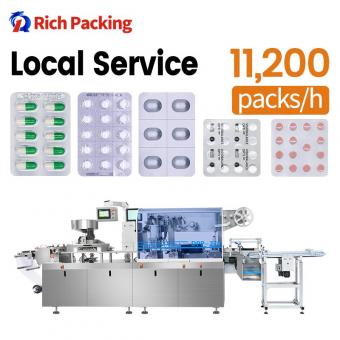
29+ years in pharmaceutical machinery, covering capsule filling, tablet pressing, blister packaging, tablet and capsule counting, cartoning, GMP production, and overseas machine service.

Le capsule di ACV sono ampiamente vendute, ma quanti produttori riescono davvero a controllare la costanza della qualità nella produzione di massa?
L'aceto di mele (ACV) è diventato un integratore di largo consumo grazie alle sue proprietà di controllo dell'appetito, digestione e supporto alla glicemia. Ma ecco il punto: non tutti gli integratori di ACV sono uguali.
L'ingrediente, il comportamento della polvere in fabbrica e le macchine riempitrici di capsule determinano se un prodotto è affidabile. Immaginate due marchi uno accanto all'altro sullo scaffale: uno fornisce costantemente la dose promessa con un odore minimo e una facile deglutizione; l'altro varia da lotto a lotto, a volte forma grumi e può lasciare un retrogusto amaro. Di quale vi fidereste? Pertanto, questo articolo esplorerà la produzione di capsule di aceto di mele, ne rivelerà le sfide comuni e fornirà alcuni consigli sul controllo qualità.

Punti chiave
● [fine se] Nozioni di base e vantaggi dell'ACV
● Cosa significa “buona qualità” dal punto di vista del consumatore e del produttore
● Sfide comuni di produzione
● Soluzioni pratiche a livello di macchina e di processo
● Come Rich Packing garantisce una produzione affidabile
L'aceto di mele si ottiene dalla fermentazione del succo di mela in alcol e poi in acido acetico. L'aceto di mele per uso domestico contiene solitamente il 4-7% di acido acetico e talvolta una miscela di enzimi e sottoprodotti della pectina.
Negli integratori, l'aceto di mele viene comunemente trasformato in polvere atomizzata o estratto concentrato, rendendolo più facile da confezionare in capsule o compresse. La forma in polvere consente un dosaggio preciso e una conservazione stabile, caratteristiche essenziali per i produttori di nutraceutici.
Studi scientifici suggeriscono che l'aceto di mele può favorire la salute metabolica in modi piccoli ma misurabili:
Controllo del peso: diversi studi randomizzati hanno scoperto che ogni giorno ACV per la perdita di peso l'assunzione ha prodotto riduzioni statisticamente significative del peso corporeo e dell'IMC negli adulti sovrappeso o affetti da diabete di tipo 2.
Controllo della glicemia post-pasto: La ricerca indica che l'assunzione di ACV durante i pasti può moderare i picchi di zucchero nel sangue post-pasto rallentando lo svuotamento gastrico e la digestione dei carboidrati, con conseguente rilascio di glucosio più stabile.
Lipidi: Si sono osservati lievi miglioramenti nei livelli di grassi nel sangue a digiuno e di colesterolo dopo l'uso regolare di ACV, sebbene le prove in questo caso siano meno sufficienti rispetto a quelle relative a glucosio e peso.
◆ [fine se] Nota importante: L'aceto di mele è un integratore alimentare di supporto, non un farmaco. I benefici sono modesti e cumulativi, meglio se abbinati a una dieta sana; un consumo eccessivo a lungo termine può causare effetti collaterali come bassi livelli di potassio o erosione dello smalto.

Commercialmente, l'ACV si presenta come:
Liquido: sapore forte, rischio di irritazione alla gola, deve essere conservato in frigorifero.
Confezioni in polvere/stick: trasportabile, miscelabile, ma sensibile all'umidità.
Caramelle gommose: Caramelle gommose all'aceto di mele sono gustosi ma più difficili da dosare con precisione.
Capsule/compresse: solitamente maneggiato in polvere con dosaggio accurato, stabile e facile da trasportare.
Sebbene le capsule nascondano il sapore aspro dell'aceto di mele, ciò che conta di più è che forniscono un dosaggio costante in mg per porzione e semplificano la spedizione e lo stoccaggio. Per i produttori, le capsule consentono un controllo preciso del peso e una più facile tracciabilità normativa, a condizione che la linea di produzione delle capsule di aceto di mele sia in grado di gestire la polvere fine e sensibile all'umidità dell'aceto di mele.
Prima di addentrarci nei dettagli tecnici, è importante capire che la "qualità" ha due aspetti: quello che il consumatore finale sperimenta e quello che il produttore misura internamente. Entrambe le prospettive sono cruciali per fornire un integratore di aceto di mele affidabile.
Dal punto di vista del consumatore, una capsula di ACV di alta qualità dovrebbe:
● Deglutire facilmente: Le capsule devono essere lisce e di dimensioni adeguate, in modo da poter essere assunte senza disagio o rischio di soffocamento.
● Facile da digerire: La formulazione accurata garantisce che la polvere di ACV non irriti lo stomaco o il tratto digerente, rendendo il consumo quotidiano sicuro e tollerabile.
● Fornisce effetti prevedibili: I consumatori si aspettano prestazioni costanti, ovvero che ogni dose supporti in modo affidabile la digestione, la gestione dell'appetito o la stabilizzazione della glicemia.
● Segnali affidabili: Certificati di analisi (COA), chiare istruzioni di dosaggio e codici di lotto rassicurano i consumatori.
I produttori di capsule di ACV definiscono la qualità delle capsule di ACV attraverso aspetti misurabili:
Precisione del dosaggio: I pesi di riempimento della polvere vengono monitorati per garantire che ogni capsula contenga la quantità prevista, in genere entro tolleranze ristrette (solitamente intorno a ±2-3%) verificate mediante controlli del peso in linea.
Integrità fisica: Le capsule ACV vengono controllate per individuare crepe, spaccature o perdite mediante sistemi di visione automatizzati o ispezione manuale, riducendo al minimo le unità difettose con <0,5% di involucri rotti o con perdite per lotto.
Stabilità : Il principio attivo rimane entro le specifiche per tutta la durata di conservazione. Le formulazioni di livello superiore mantengono ≥95% del contenuto di acido acetico per oltre 24 mesi in condizioni di conservazione standard (20–25 °C, <60% RH).
Efficienza del processo: I produttori di ACV monitorano la resa al primo passaggio, il tasso di scarto e la coerenza tra lotto e lotto per valutare la stabilità della linea. In un ambiente ben controllato operazioni di riempimento delle capsule , la resa al primo passaggio supera in genere il 98%, i tassi di scarto rimangono al di sotto del 2% e i parametri critici del processo vengono mantenuti entro una variazione di ±1,5%.
Sulla base di questi parametri di qualità, anche i produttori esperti continuano a riscontrare ricorrenti problemi nella produzione di capsule ACV:
■ Imprecisione nel riempimento della polvere
■ Ponti e perdite di polvere
■ Rottura e inceppamento delle capsule
■ Tempi di inattività elevati per la pulizia
■ Gestione dell'acidità
Ciascuno dei problemi sopra menzionati può ridurre in modo più o meno significativo la resa e minare silenziosamente la fiducia dei consumatori. Pertanto, comprendere la causa principale di questi problemi è fondamentale per i produttori di integratori di aceto di mele.
Prima di esplorare le cause profonde di questi problemi, è essenziale comprendere il processo produttivo di base delle capsule di aceto di mele (ACV), poiché questo fornisce un contesto per individuare dove tipicamente si verificano i problemi e come ogni fase influisce sulla qualità del prodotto finale. Le capsule di aceto di mele (ACV) sono prodotte attraverso un processo strutturato in più fasi che trasforma l'aceto di mele in un prodotto stabile e accuratamente dosato.

Per produrre una capsula di aceto di mele di alta qualità, è necessario innanzitutto selezionare gli ingredienti giusti e gestirli correttamente. Ecco una panoramica:
ACV in polvere o concentrato: Solitamente essiccato a spruzzo per garantire la consistenza desiderata. Deve scorrere liberamente affinché ogni capsula assuma la dose corretta.
Additivi fluidificanti e antiagglomeranti: Ingredienti come la silice o lo stearato di magnesio aiutano a prevenire la formazione di grumi e a far sì che la polvere scorra senza intoppi nella macchina.
Involucri delle capsule: Si utilizza gelatina o HPMC, con aggiunta di glicerina o acqua per conferire flessibilità al guscio e garantirne la dissoluzione affidabile.
Miscele opzionali: Alcune formule contengono estratti vegetali, come cannella o curcuma, oppure vitamine per ottenere benefici aggiuntivi.
Controllo dell'umidità: L'aceto di mele e molti eccipienti sono sensibili all'umidità, pertanto tutti i materiali vengono conservati in ambienti asciutti e climatizzati. Questo mantiene la polvere fluida e uniforme per la produzione.
✧ [fine se] Un piccolo consiglio per i produttori: La manipolazione delle polveri in un ambiente controllato fin dall'inizio può impedire la formazione di grumi in seguito e ridurre i tempi di fermo durante il riempimento delle capsule.
Per produrre capsule di ACV in modo efficiente e costante, una linea di produzione completa integra più macchine specializzate, ciascuna delle quali gestisce una fase critica, dalla miscelazione e riempimento al conteggio e al confezionamento.
Una linea standard di capsule rigide comprende:
● Miscelatori a basso taglio
● Mangiatoie
● Macchine automatiche per il riempimento di capsule
● Lucidatrici per capsule finite
● Macchine contatrici
● Selezionatrice ponderale
● Macchina per l'inserimento di essiccanti
● Etichettatrice
● Macchina tappatrice
● Sigillatrice a induzione
● Macchina incartonatrice
Una volta che gli ingredienti e le attrezzature sono pronti, la produzione delle capsule di ACV segue una sequenza sistematica di passaggi per garantire un dosaggio accurato, una manipolazione pulita e un confezionamento affidabile.
● Miscelazione e condizionamento
● Alimentazione
● Riempimento delle capsule
● Lucidatura
● Conteggio e imbottigliamento degli imballaggi
● Controllo di qualità
● Etichettatura
● Tappatura
● Induzione a lamina
● Incartonamento
Il comportamento della polvere e la progettazione della macchina determinano se ogni fase si svolge senza intoppi o se si verificano arresti frequenti.
Per comprendere il motivo per cui persistono queste problematiche qualitative, è importante osservare come la polvere di aceto di mele interagisce con le apparecchiature di produzione. Di seguito, viene illustrato come ogni problema comune venga associato alla sua causa principale:
Causa: Flusso di polvere incoerente o camme di indice usurate nel macchina riempitrice di capsule .
Impatto: Le polveri fini con scarsa scorrevolezza tendono a formare ponti o a depositarsi nella tramoggia e nelle aree di dosaggio, impedendo l'erogazione uniforme del materiale in ogni capsula.
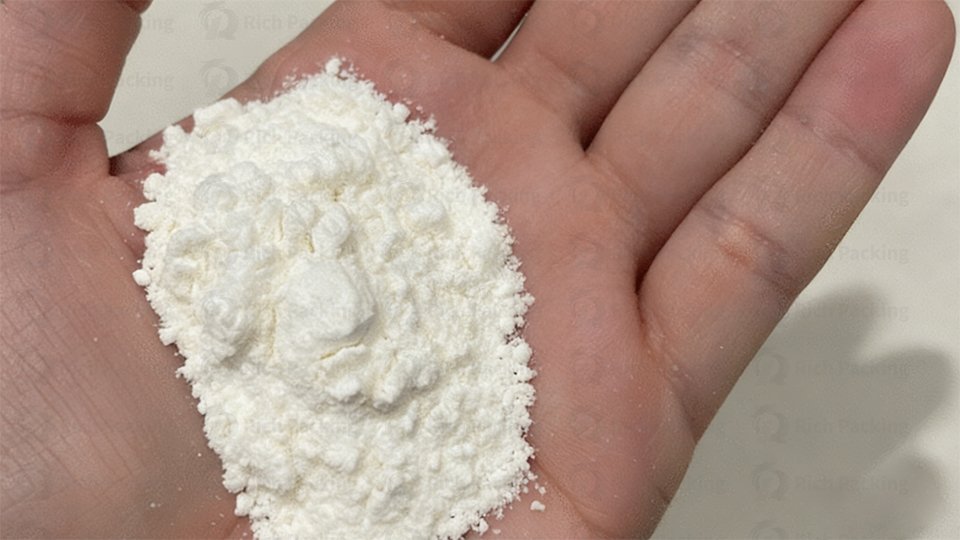
Causa: I piatti girevoli aperti, l'elettricità statica o le superfici ruvide a contatto con la polvere consentono alla polvere ACV di creare ponti o fuoriuscite macchina riempitrice di capsule di gelatina interni.
Impatto: Riduce la precisione di riempimento, contamina i componenti della macchina e aumenta la frequenza di pulizia.
Causa : Gli scivoli di alimentazione stretti, le aperture degli stampi strette o la polvere leggermente appiccicosa aumentano lo stress meccanico durante la separazione delle capsule.
Impatto : Le capsule incrinate o deformate non superano l'ispezione, interrompono la produzione e sprecano materiali.
Causa : La sensibilità dell'ACV all'umidità provoca la formazione di grumi di polvere all'interno della macchina per capsule anche in presenza di umidità di traccia.
Impatto : È necessaria una pulizia giornaliera, riducendo la produttività e l'efficienza.
Causa: L'acidità dell'ACV può usurare o corrodere i componenti non protetti della macchina.
Impatto : Le parti non resistenti agli acidi si degradano più velocemente, causando perdite, problemi di igiene e potenziale contaminazione.
1. Imprecisione nel riempimento della polvere
Utilizzo macchina riempitrice di capsule ad alta precisione dotato di un sistema di indicizzazione ottica Zeiss per garantire un posizionamento stabile e una precisione di dosaggio entro ≤3%. Inoltre, il meccanismo di riempimento con regolazione tridimensionale garantisce un carico uniforme sul disco di dosaggio e consente un controllo rapido e preciso del peso di riempimento per un'uscita costante delle capsule.
2. Ponti di polvere e perdite
Dotare la macchina per la produzione di capsule di piatti rotanti a doppia tenuta, tramogge completamente chiuse e superfici di contatto con la polvere elettrolucidate. L'alimentazione forzata previene la formazione di ponti e riduce la fuoriuscita di polvere all'interno della macchina, mantenendo un funzionamento pulito e una produttività costante.
3. Rottura e deformazione della capsula
La concentricità dello stampo ad alta precisione con offset zero mantiene le capsule perfettamente centrate durante il funzionamento, eliminando il contatto con i bordi e l'attrito. Ciò previene danni e deformazioni alle capsule, garantendo un riempimento automatico fluido e stabile.
4. Tempi di inattività elevati per la pulizia
Un sistema di pulizia stampi ad aria compressa in linea mantiene puliti gli stampi superiore e inferiore per la maggior parte del tempo. La struttura modulare e il porta-asta di riempimento estraibile consentono un cambio rapido e senza attrezzi per diverse dimensioni, riducendo i tempi di pulizia e minimizzando i fermi di produzione.
5. Gestione dell'acidità
Utilizzare materiali resistenti agli acidi per tutti i componenti a contatto con la valvola ACV nella linea di riempimento capsule. Alimentatori, tavole rotanti e componenti di dosaggio realizzati in acciaio inossidabile resistente alla corrosione o polimeri specializzati garantiscono affidabilità a lungo termine, prevengono le perdite e mantengono gli standard igienici durante il funzionamento continuo.
Grazie a decenni di esperienza, macchinari appositamente progettati e un supporto tecnico completo, Rich Packing aiuta i produttori a produrre costantemente capsule di aceto di mele di alta qualità.
Competenza e conformità
■ Da oltre 32 anni specializzati in capsule e apparecchiature nutraceutiche.
■ Completamente conforme agli standard ISO, CE, cGMP e SA8000.
Macchine per il riempimento di capsule serie NJP appositamente costruite
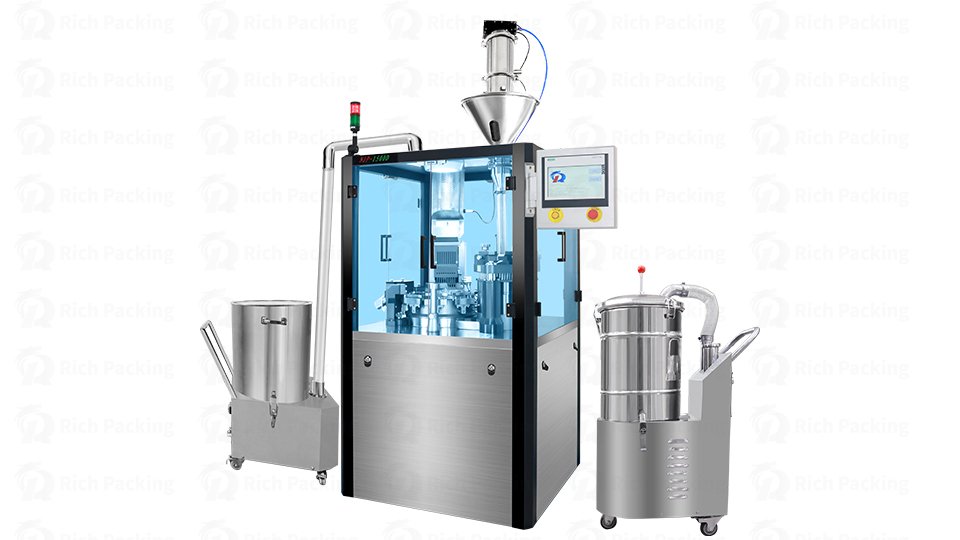
■ Sistema di indicizzazione ottica Zeiss e camme scanalate lavorate a CNC per un riempimento preciso delle capsule.
■ Piattaforme girevoli brevettate a doppia tenuta per impedire l'ingresso di polvere e la formazione di ponti.
■ Componenti di dosaggio elettrolucidati per ridurre al minimo l'adesione della polvere.
■ Concentricità dello stampo ad alta precisione per ridurre la rottura della capsula.
■ Alimentatori a vuoto opzionali per una gestione uniforme delle polveri ACV a basso flusso.
■ Le macchine riempitrici di capsule ad alta velocità sono adatte per la produzione di lotti di ricerca e sviluppo e per la produzione completa, senza compromettere la resa o la conformità.
Servizi di supporto completi
■ Video di presentazione, installazione, messa in servizio, smontaggio e manutenzione della macchina.
■ Diagnostica remota e aggiornamenti software per una rapida risoluzione dei problemi.
■ Servizio globale che copre oltre 80 paesi.
■ Consulenza tecnica sulla formulazione, sulla scelta delle capsule e sul confezionamento antiumidità per massimizzare la stabilità e la durata di conservazione del prodotto.
D: Come faccio a sapere se una capsula di ACV è affidabile?
R: Cercare la chiarezza in mg per porzione, la disponibilità del COA, le dichiarazioni GMP, la tracciabilità del lotto e i dati sulla stabilità.
D: Qual è la tolleranza normale al peso di riempimento?
A: ±2–3% per le polveri; valori superiori a ±5% sono da segnalare.
D: L'aggiornamento dei macchinari risolverà tutti i problemi?
R: No. È necessario combinarlo con la formulazione, l'ambiente e gli adeguamenti delle procedure operative standard.
D: È necessario un imballaggio speciale?
R: Sì. Per le polveri igroscopiche sono essenziali flaconi con barriera antiumidità, essiccanti e blister ermetici.
Le capsule di ACV sembrano semplici su uno scaffale, ma la qualità costante richiede:
■ Formulazione ponderata
■ Controllo attento del processo
■ Macchinari costruiti appositamente
Per i consumatori, questo significa marchi trasparenti. Per i produttori, significa investire in attrezzature e supporto adeguati. Le riempitrici di capsule di Rich Packing affrontano le sfide specifiche dell'aceto di mele, consentendo alle aziende di fornire integratori accurati, stabili e conformi.
[1] Operation Supplement Safety (OPSS): aceto di mele negli integratori alimentari
https://www.opss.org/article/apple-cider-vinegar-dietary-supplements
[2] Fortune Business Insights: dimensioni, quota e crescita del mercato dell'aceto di mele
[3] PubMed / PMC: Meta-analisi: Effetto dell'assunzione di aceto di mele sulla composizione corporea (2025)

29+ years in pharmaceutical machinery, covering capsule filling, tablet pressing, blister packaging, tablet and capsule counting, cartoning, GMP production, and overseas machine service.

E-mail : manager@richpacking.cn
Building D, No. 226, Beishan Qiaotou Street, Haizhu District, Guangzhou City, Guangdong Province, China


 Rete IPv6 supportata