






 Casa
Casa Prodotti
29+ years in pharmaceutical machinery, covering capsule filling, tablet pressing, blister packaging, tablet and capsule counting, cartoning, GMP production, and overseas machine service.

L’industria farmaceutica ha sempre mantenuto rigorosi standard di produzione e confezionamento in tutto il mondo, poiché la qualità dell’imballaggio è direttamente collegata alla sicurezza dei medicinali, alla durata di conservazione e alla conformità normativa. L’incartonamento secondario, una procedura fondamentale dopo l’imbottigliamento, il blister e l’etichettatura, in passato si basava in larga misura su operazioni manuali nei tradizionali laboratori farmaceutici.
Come imballaggio farmaceutico si sta spostando verso la piena automazione e l’aggiornamento intelligente, le incartonatrici automatiche sono diventate attrezzature fondamentali per linee standardizzate di confezionamento farmaceutico. Questa guida spiega la definizione, la classificazione, il flusso di lavoro, i principali punti di forza, i criteri di selezione e la manutenzione quotidiana delle incartonatrici specifiche per il settore farmaceutico, aiutando i team degli stabilimenti a prendere decisioni più pratiche sulle attrezzature e a migliorare le prestazioni complessive di confezionamento.
Una incartonatrice farmaceutica è un dispositivo automatico di confezionamento secondario specializzato, progettato per ambienti farmaceutici a contaminazione controllata. Completa automaticamente un insieme completo di procedure, tra cui alimentazione dei cartoni, apertura dei cartoni, inserimento del prodotto, piegatura e inserimento del foglietto illustrativo, codifica del numero di lotto, piegatura e sigillatura del cartone, controllo e uscita del prodotto finito senza intervento manuale.numero di lotto codifica, piegatura e sigillatura del cartone, rilevamento ed uscita della scatola finita senza intervento manuale.
Le incartonatrici sono progettate per un utilizzo intersettoriale, servendo i settori farmaceutico, alimentare, chimico e correlati. Il loro design universale bilancia igiene, sicurezza, durata e conformità normativa per soddisfare diversi requisiti produttivi.
Questa attrezzatura copre le principali forme di confezionamento farmaceutico finito, inclusi blister di compresse o capsule, flaconi, bustine, pomate, siringhe monouso, cosmetici e altri comuni prodotti farmaceutici e medicali.
In base al layout strutturale, al grado di automazione e ai requisiti di capacità produttiva, le incartonatrici farmaceutiche sono generalmente suddivise in diversi tipi principali per diversi scenari produttivi.
Le incartonatrici verticali utilizzano una struttura di alimentazione e apertura del cartone in verticale. Hanno un ingombro ridotto e un layout relativamente semplice. Questo modello è adatto alla produzione di piccoli lotti, a produzioni su piccola scala e a ordini personalizzati di confezionamento medico. Il suo principale limite è la velocità, quindi non è solitamente la scelta migliore per linee di produzione continua ad alto volume.
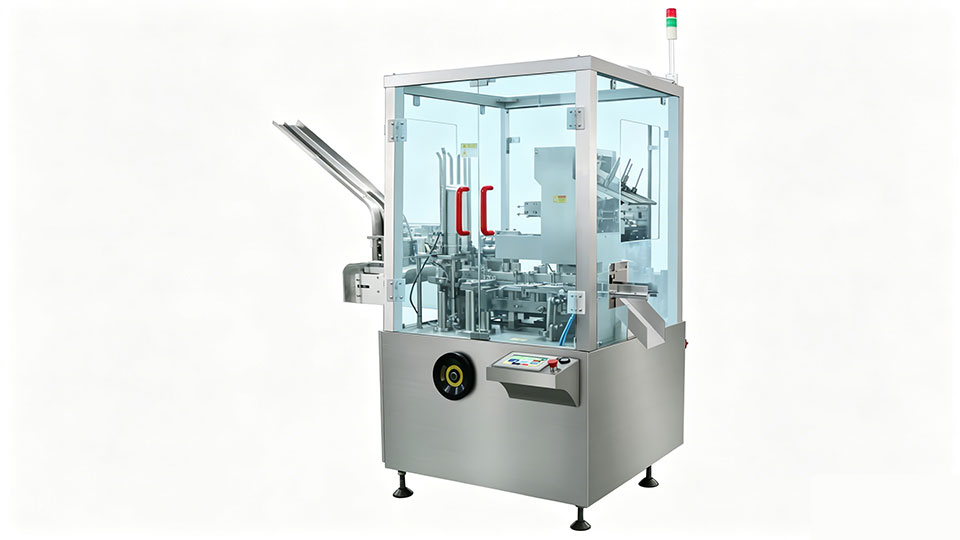
Incartonatrice verticale 120L Rich Packing
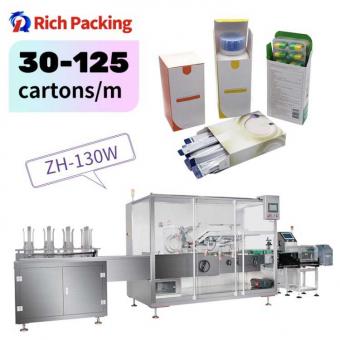
Come il modello più utilizzato nell’industria farmaceutica globale, incartonatrici orizzontali utilizzano un design a piattaforma bassa e ampia per supportare un incartonamento stabile. Consentono un funzionamento ad alta velocità, un trasporto fluido dei materiali e una connessione senza interruzioni con macchine blister di confezionamento a monte, macchine di conteggio e imbottigliamento di compresse o capsule, e macchine etichettatriciQuesto tipo è spesso l’opzione preferita per la produzione su larga scala.
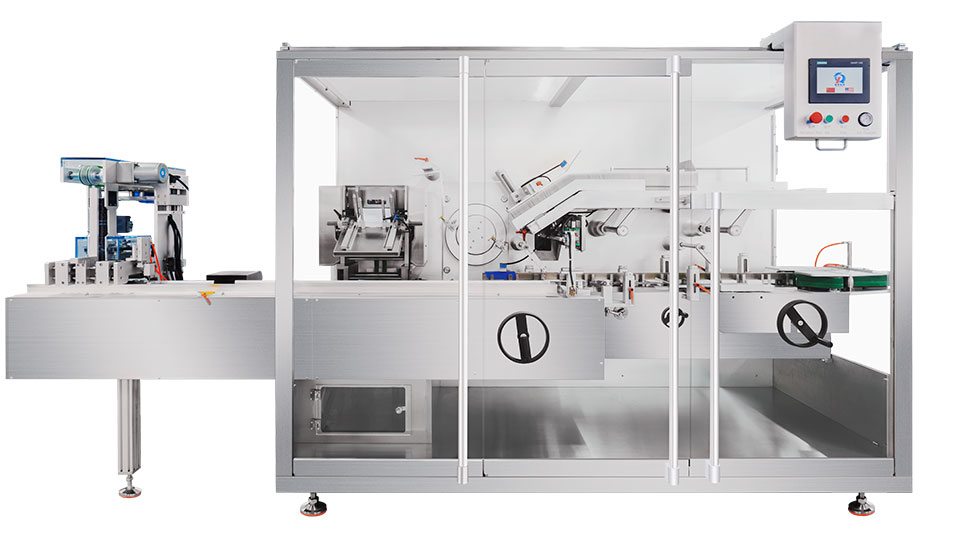
Incartonatrice orizzontale 130W Rich Packing
La scelta corretta dipende dalla scala di produzione, dalla pianificazione della manodopera, dal formato del prodotto e dagli obiettivi di automazione a lungo termine.
| Voce | Incartonatrice semiautomatica | Incartonatrice automatica |
|---|---|---|
| Fabbisogno di manodopera | 1-2 operatori per alimentazione ausiliaria | Funzionamento automatico senza operatore |
| Capacità produttiva | Velocità da bassa a media | Alta produzione continua |
| Ingombro a terra | Ingombro ridotto | Compatibile con una linea di confezionamento completa con ingombro moderato |
| Investimento iniziale | Costo inferiore | Investimento iniziale più alto, costi operativi a lungo termine più bassi |
Una macchina astucciatrice automatica completa è composta da sei unità funzionali indipendenti ma collegate per garantire un funzionamento coordinato e stabile.
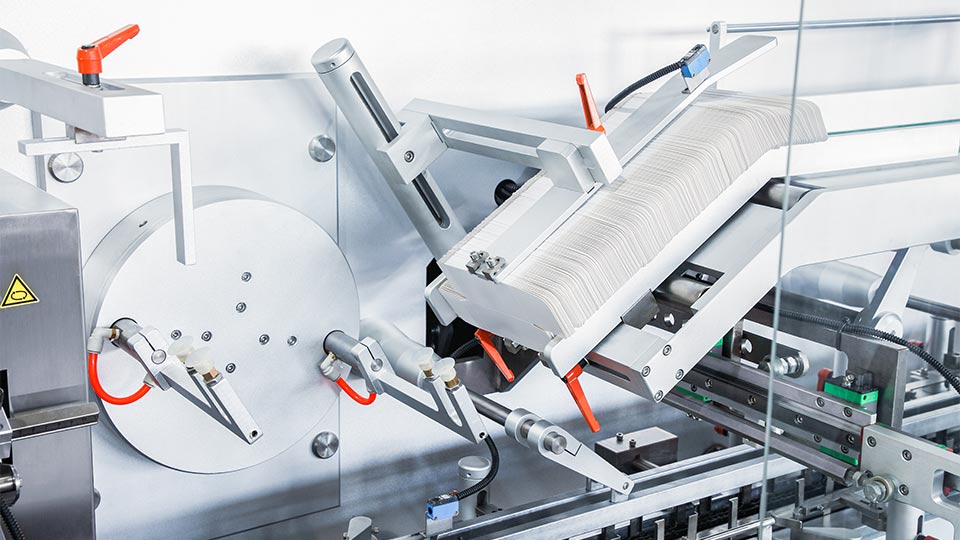
Meccanismo planetario di prelievo degli astucci a ruota
L'intero processo di astucciamento funziona in un circuito chiuso senza intervento manuale:
L'apparecchiatura attiva allarmi automatici e scarti quando vengono rilevati astucci mancanti, prodotti mancanti o fogli illustrativi mancanti.
Molti produttori farmaceutici esitano ad aggiornare le attrezzature di astucciamento automatico a causa del budget iniziale. Tuttavia, le astucciatrici farmaceutiche dedicate apportano vantaggi a lungo termine in termini di conformità, efficienza, qualità del confezionamento e controllo dei costi.
Le parti in acciaio inox 304 lucidato e il design strutturale sanitario aiutano a ridurre l'accumulo di polvere e semplificare la pulizia. I registri completi dei dati operativi supportano anche la tracciabilità dell'intero processo produttivo, aiutando i produttori a prepararsi alle ispezioni GMP di routine.
Le macchine standard per il confezionamento in astucci farmaceutici possono integrarsi con le macchine blister a monte, le macchine di riempimento liquidi e le apparecchiature di etichettatura, creando linee di confezionamento automatiche senza operatore end-to-end. Ciò riduce il disallineamento di velocità tra le apparecchiature automatizzate a monte e l'astucciamento manuale a valle, migliorando la produzione complessiva dell'officina.
Il posizionamento meccanico fisso garantisce una piegatura, sigillatura e codifica costanti degli astucci per ogni scatola di prodotto finita. Aiuta anche a ridurre difetti manuali come istruzioni mancanti, materiali posizionati in modo errato, sigillatura irregolare e tassi di conformità del confezionamento instabili.
Una macchina astucciatrice automatica può sostituire diversi operatori di confezionamento qualificati, riducendo i costi di manodopera a lungo termine. Il funzionamento automatico stabile riduce anche le perdite di rilavorazione causate da errori di confezionamento e migliora l'utilizzo dei materiali.
Le macchine astucciatrici farmaceutiche di nuova generazione possono supportare la connessione dati con i sistemi di gestione della produzione MES di fabbrica. I dati di produzione in tempo reale, lo stato di funzionamento delle apparecchiature e i registri dei guasti possono essere caricati automaticamente, supportando la gestione digitale dell'officina di confezionamento.
Quando si acquista un'apparecchiatura di astucciamento, i team di approvvigionamento e ingegneria dovrebbero concentrarsi su parametri pratici invece di perseguire ciecamente la massima velocità.
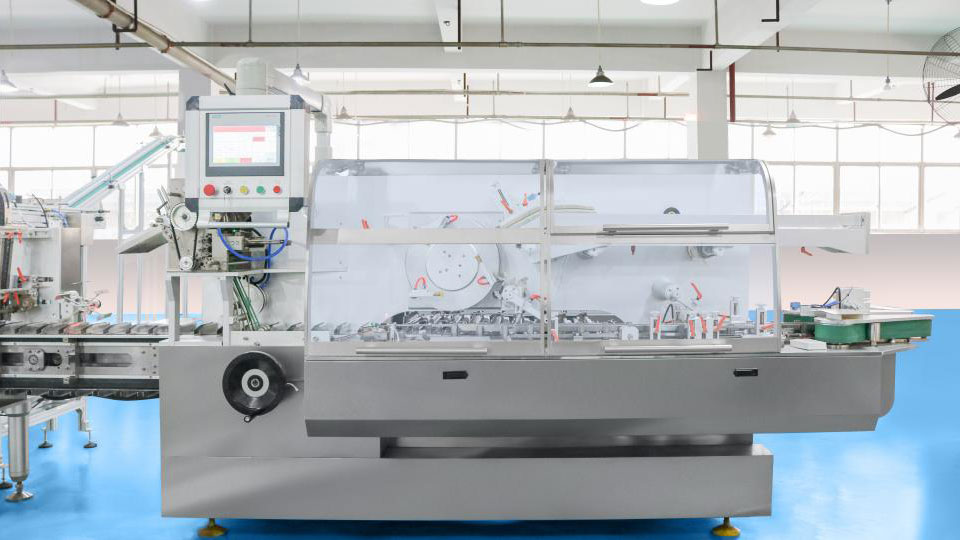
Coperchio in vetro antipolvere
Sulla base dei suddetti indicatori di acquisto, la gamma di macchine astucciatrici di Guangzhou Rich Packing è progettata per linee di confezionamento farmaceutico, in particolare quando gli acquirenti necessitano di una produzione stabile, adattamento a ambienti di officina pulita, funzioni di rilevamento e supporto pratico per la manutenzione.
| Modello | RQ-ZH-130W | RQ-ZH-260W | RQ-ZH-320W | RQ-ZH-120L |
|---|---|---|---|---|
| Velocità | 30-125 astucci/min | 260 astucci/min | 320 astucci/min | 35-125 astucci/min |
| Dimensioni dell'astuccio | L(60-210) mm * W(20-100) mm * H(14-70) mm | L(70-180) mm * W(35-80) mm * H(12-50) mm | L(70-180) mm * W(35-80) mm * H(14-50) mm | L(65-150) mm * W(35-85) mm * H(12-45) mm |
| Precisione di scarto | 99% | 99% | 99% | 99% |
| Garanzia | 3 anni | 3 anni | 3 anni | 3 anni |
| Certificato GMP | Sì | Sì | Sì | Sì |
Parametri della macchina astucciatrice Rich Packing
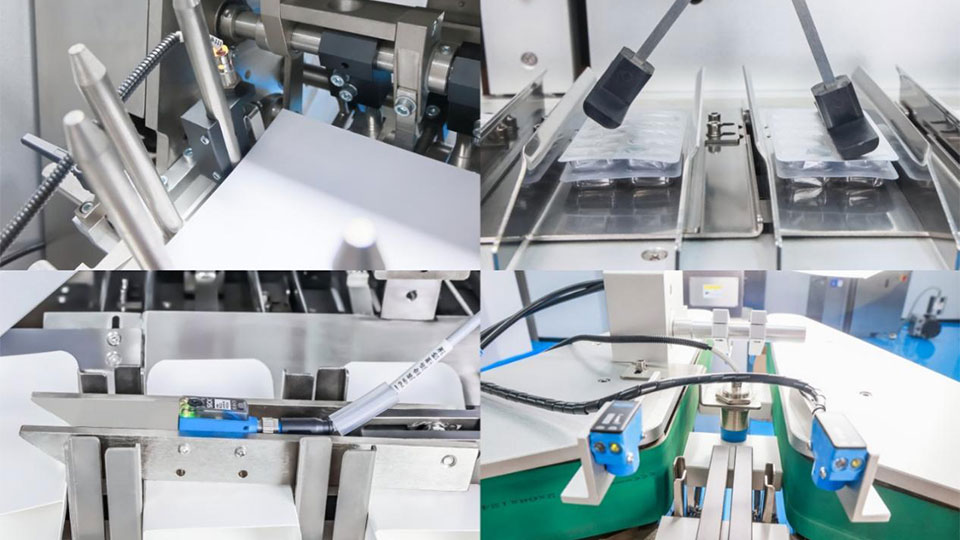
Punti di rilevamento multipli
Una manutenzione quotidiana standardizzata può prolungare la vita utile delle apparecchiature e mantenere stabile il funzionamento a lungo termine senza frequenti arresti.
Rimuovere i residui di carta e la polvere all'interno della macchina dopo la produzione quotidiana. Eseguire regolarmente la disinfezione con alcol delle parti a contatto secondo le regole di gestione dell'officina pulita. Le parti rimovibili devono essere smontate e pulite direttamente per ridurre i residui nascosti.
Controllare catene di trasmissione, ingranaggi e nastri trasportatori ogni due settimane. Aggiungere regolarmente un olio lubrificante alimentare adatto per garantire un funzionamento meccanico fluido e ridurre il rumore operativo.
Eseguire una calibrazione completa dei parametri ogni sei mesi per adattarsi a lievi variazioni della rigidità del cartone e mantenere stabile l'accuratezza di astucciatura.
Sì. Le moderne astucciatrici farmaceutiche supportano la regolazione delle dimensioni con una facile sostituzione degli stampi, coprendo la maggior parte delle dimensioni standard di astucci.
Sì. Con struttura in acciaio inox e copertura protettiva in plexiglass completamente chiusa, questa macchina è progettata per soddisfare i requisiti del laboratorio pulito GMP.
Per i modelli standard, il cambio delle specifiche richiede circa 15 minuti, supportando una produzione flessibile in piccoli lotti e confezionamento multi-specifica.
Sì. È possibile predisporre un'interfaccia di collegamento personalizzata in base ai parametri delle apparecchiature a monte e a valle del cliente, aiutando la nuova macchina a integrarsi con le linee di produzione esistenti.
Le astucciatrici sono importanti apparecchiature di supporto per linee di confezionamento secondario farmaceutico standardizzate, automatizzate e conformi alle normative. Diverse tipologie di macchine confezionatrici di astucci rispondono a differenti esigenze produttive, dalla produzione in piccoli lotti alla produzione continua su larga scala. Oltre al semplice confezionamento automatico delle scatole, le astucciatrici farmaceutiche professionali aiutano i produttori a ridurre i rischi di conformità GMP, stabilizzare la qualità del confezionamento e ridurre il carico di lavoro.
Per i responsabili degli stabilimenti farmaceutici, l'attrezzatura di astucciatura più adatta dovrebbe essere selezionata in base allo spazio del reparto, alla produzione giornaliera richiesta, al grado della camera bianca e al tipo di confezionamento del prodotto, piuttosto che a funzioni eccessive che potrebbero non essere necessarie.
Supporto gratuito per soluzioni personalizzate:Se hai bisogno di supporto per l'aggiornamento delle linee di confezionamento, la selezione delle attrezzature o la ristrutturazione di vecchie linee di produzione, contatta il nostro team di professionisti per ottenere soluzioni personalizzate per linee di confezionamento di astucci farmaceutici.

29+ years in pharmaceutical machinery, covering capsule filling, tablet pressing, blister packaging, tablet and capsule counting, cartoning, GMP production, and overseas machine service.

E-mail : manager@richpacking.cn
Building D, No. 226, Beishan Qiaotou Street, Haizhu District, Guangzhou City, Guangdong Province, China


 Rete IPv6 supportata